Design of the Flag of Mauritius
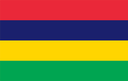
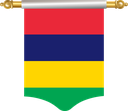
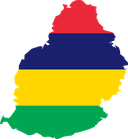
The flag of Mauritius features four equal horizontal stripes arranged from top to bottom in the following order: red, blue, yellow, and green. The design is simple yet visually striking, making it easily recognizable among world flags.
Unlike many national flags that include symbols or emblems, the Mauritian flag relies entirely on color to convey meaning. The equal width of the stripes reflects balance and equality, while the absence of symbols emphasizes unity among the nation’s diverse communities.
Meaning of the Colors
Each color on the Mauritius flag carries deep symbolic meaning connected to the country’s history, geography, and people.
The red stripe represents the struggle for independence and the sacrifices made by those who fought for freedom from colonial rule. It also symbolizes courage and determination.
The blue stripe represents the Indian Ocean, which surrounds the island and has played a crucial role in trade, culture, and national development.
The yellow stripe symbolizes the light of independence and a hopeful future. It also reflects optimism, unity, and the nation’s guiding spirit.
The green stripe represents the island’s agriculture and natural landscape, particularly its fertile land and sugarcane fields, which have long been central to Mauritius’s economy.
Historical Background and Adoption
Mauritius has a complex colonial history, having been ruled by the Dutch, French, and British before gaining independence. As independence approached, the need for a national flag became a priority to symbolize the birth of a new nation.
The flag of Mauritius was officially adopted on March 12, 1968, the same day the country gained independence from British rule. The design was created to reflect unity among Mauritius’s diverse population, which includes people of African, Indian, Chinese, and European descent. A deeper overview of this transition can be found on the history of Mauritius page.
Cultural and National Significance
The Mauritian flag is a powerful symbol of national pride and social harmony. It is prominently displayed during Independence Day celebrations, national holidays, and international events. The flag reflects Mauritius’s reputation as a peaceful and democratic nation with strong multicultural values.
Among African and Indian Ocean flags, Mauritius stands out due to its unique four-color horizontal design. It is often compared with the Flag of Seychelles and the Flag of Comoros, though its symbolism and layout remain distinct.
Official Use and Flag Etiquette
The flag of Mauritius is flown at government buildings, schools, and public institutions. It is also displayed at diplomatic missions abroad and during international sporting and cultural events.
There are guidelines for respectful display, including proper handling and positioning alongside other national flags. During official ceremonies, the flag is raised at sunrise and lowered at sunset, reinforcing its symbolic importance.
Design Simplicity and Global Recognition
One of the defining characteristics of the Mauritius flag is its simplicity. By relying solely on color without additional symbols, the flag achieves strong visual impact and universal recognition. This design choice reinforces the idea that unity and shared values can be expressed through simplicity.
The flag’s clean layout also makes it one of the most easily identifiable flags among African nations and island states worldwide.
Questions About the Flag of Mauritius
When was the flag of Mauritius adopted?
The flag was adopted on March 12, 1968, when Mauritius gained independence.
What do the four colors on the flag represent?
They represent independence struggle (red), the ocean (blue), hope and unity (yellow), and agriculture (green).
Does the flag of Mauritius include any symbols?
No, it uses only horizontal color stripes without symbols.
Why is the Mauritius flag considered unique?
It is one of the few national flags with four equal horizontal stripes.
Is the flag the same on both sides?
Yes, the design is identical on both sides.