Cote d'Ivoire vs Ireland Flag: Main Differences
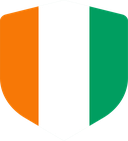
The Cote d'Ivoire vs Ireland flag difference is mainly based on the sorting of colors. The flag of Cote d'Ivoire has contain three vertical stripes of orange color, white color and green color from left to right. Ireland’s flag also has three vertical stripes but it also follows a green color, white color and orange color.
The orange color on the Cote d'Ivoire flag also signifies the northern savannas and natural assets of the country. White color characterizes peace and accord, while green color signifies forests and confidence.
The Irish flag uses green color to characterize Irish civilizations, white color for peace, and orange to represent the supporters of the Protestant tradition. The different color order makes both flags easy to identify.
Cote d'Ivoire History and Flag Meaning
The Cote d'Ivoire flag was also approved after country get Independence from France in 1960. The design also reveals the nation’s layout, with orange color demonstrating the northern region, white color representing accord and green color signifying the southern forests.
The country’s journey to get independence is celebrated during Cote d'Ivoire independence day, which also take place on August 7 every year. The flag also residues an important sign of national superiority and freedom.
Cote d'Ivoire Culture and National Language
Cote d'Ivoire culture is inclined by many indigenous groups, traditional civilizations, music, food and festivals. The country is also known for kindness, innovative legacy and miscellaneous groups.
The official language of Cote d'Ivoire is French, there are many native African languages are spoken in different areas. This language may also reveals the country’s rich traditional background.
People also interested in travel, it frequently search what time is it in Cote d'Ivoire because the country formally follows Greenwich Mean Time (GMT) without seasonal clock changes.
Cote d'Ivoire National Currency and Religions:
The national currency of Cote d Ivoire is the West African CFA franc, which is shared with numerous countries in the West African continent Economical and Regulatory Union. The country has a miscellaneous religious population. Cote d'Ivoire religion also comprises Islam, Christianity and traditional African beliefs, it forming a multiethnic society with different divine practices.
Questions about Cote d'lvoire
Is Cote d'Ivoire safe for tourist and guests?
Cote d'Ivoire is generally safe for many areas, but travelers should also follow confined advice, avoid to use risky locations and stay aware of their ambiances.
What do you call someone from Cote d'Ivoire?
A person from Cote d'Ivoire is also called an Ivorian, which is the official term that is globally used for citizens of the country.
What is National currency used in Cote d'Ivoire?
The National currency used in Cote d'Ivoire is the West African CFA franc, it is used across numerous West African regional Economic and Monetary Union associate kingdoms.
What languages are spoken in Cote d'Ivoire?
French is the National language of Cote d'Ivoire, while many native languages are spoken by different ethnic communities in the country.