Design of the Flag of Slovenia
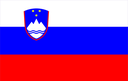
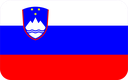
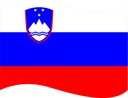
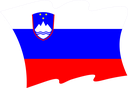
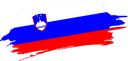
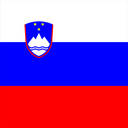
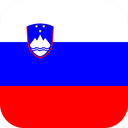
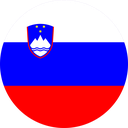
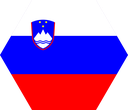
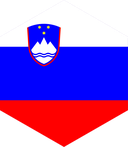
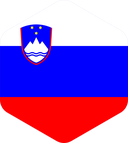
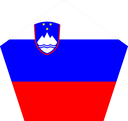
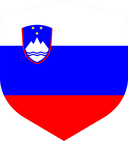
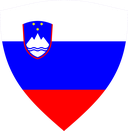
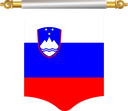
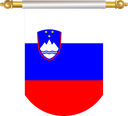
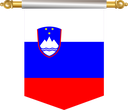
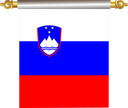
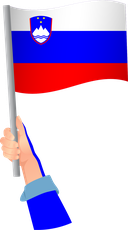
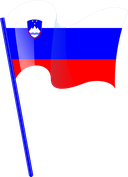
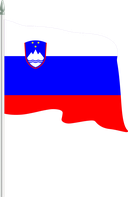
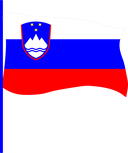
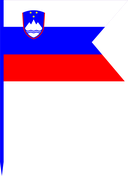
The flag of Slovenia consists of three horizontal stripes of equal height:
- White on the top
- Blue in the middle
- Red on the bottom
On the upper hoist side, slightly toward the center, is the coat of arms of Slovenia.
This design follows the traditional Slavic tricolor pattern, while the coat of arms ensures Slovenia’s flag is clearly distinguishable from similar regional flags.
Meaning of the Colors
Each color on the Slovenian flag carries symbolic meaning rooted in Slavic tradition and national identity.
The white color represents peace, purity, and the Alpine snow-capped mountains, especially the Julian Alps.
The blue color symbolizes freedom, loyalty, and water, reflecting Slovenia’s rivers, lakes, and access to the Adriatic Sea.
The red color represents courage, strength, and the sacrifices made in the pursuit of independence and national dignity.
Together, these colors are known as Pan-Slavic colors, shared by many Slavic nations to express cultural unity.
Meaning of the Coat of Arms
The coat of arms of Slovenia is a central element of the flag and carries deep national symbolism.
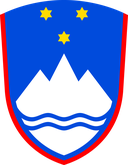
It features:
- Mount Triglav, Slovenia’s highest mountain, shown in white
- Two wavy blue lines, representing rivers and the Adriatic Sea
- Three six-pointed golden stars arranged in an inverted triangle
Mount Triglav symbolizes national strength, independence, and natural heritage. The two blue lines represent Slovenia’s waterways and connection to the sea.
The three golden stars come from the historic Counts of Celje, symbolizing continuity, statehood, and European heritage.
Historical Background and Adoption
Slovenia’s tricolor has roots in the 19th century, when Slovene national movements adopted white, blue, and red as national colors during the revolutions of 1848.
For much of the 20th century, Slovenia was part of Yugoslavia, using variations of the Slavic tricolor with socialist symbols.
In 1991, Slovenia declared independence following a brief conflict. The current flag, featuring the new coat of arms, was officially adopted on June 25, 1991.
The design was chosen to reflect Slovenia’s distinct identity while maintaining cultural continuity. More historical context can be found on the history of Slovenia page.
Cultural and National Significance
The Slovenian flag holds strong national importance and is widely displayed during:
- Statehood Day (June 25)
- National holidays and public ceremonies
- Cultural events and sporting competitions
It represents unity among Slovenians and pride in peaceful independence.
Among European flags, Slovenia’s design is often compared with the Flag of Slovakia and the Flag of Russia, though Slovenia’s coat of arms makes it clearly identifiable.
The flag is also used in education to teach national history and civic values.
Official Use and Flag Etiquette
The flag of Slovenia is flown at government buildings, schools, embassies, and public institutions.
It is displayed during diplomatic meetings, international events, and national celebrations.
Respectful handling of the flag is encouraged. It should be kept clean, displayed correctly, and treated as a symbol of sovereignty and unity.
During periods of national mourning, the flag may be flown at half-mast according to official guidelines.
The Flag in Modern Slovenia
In modern Slovenia, the flag symbolizes democracy, European integration, and national pride. It appears in tourism promotion, national branding, and international representation.
The image of Mount Triglav remains a powerful national symbol, deeply connected to Slovenian identity.
The flag continues to unite citizens at home and abroad.
Design Strength and Recognition
The Slovenian flag is admired for its balanced combination of tradition and symbolism. The tricolor ensures cultural continuity, while the coat of arms adds uniqueness.
Its clear imagery and strong national symbols ensure global recognition.
The design remains timeless and meaningful.
Questions About the Flag of Slovenia
When was the flag of Slovenia adopted?
It was adopted on June 25, 1991.
What do the colors of the flag represent?
They represent peace, freedom, and courage.
What does Mount Triglav symbolize?
It symbolizes national strength and natural heritage.
Why are there three stars on the coat of arms?
They represent historical continuity from the Counts of Celje.
Is the Slovenia flag the same on both sides?
Yes, the design appears on both sides of the flag.