Design of the Flag of Ethiopia
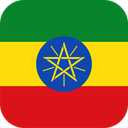
The Flag of Ethiopia consists of three horizontal stripes of equal width. From top to bottom, the colors are green, yellow, and red. At the center of the flag is a blue circular emblem containing a yellow pentagram and rays.
The tricolor design is simple and balanced, while the central emblem adds depth and meaning. The contrast between the bright stripes and the blue emblem makes the flag visually striking and easily recognizable.
Meaning of Colors and Symbols
Each element of the Flag of Ethiopia carries deep symbolic meaning.
The green stripe represents the land, agriculture, and natural fertility of Ethiopia. It symbolizes growth, hope, and renewal.
The yellow stripe represents peace, justice, and harmony among Ethiopia’s diverse peoples. It also symbolizes equality and religious freedom.
The red stripe represents strength, sacrifice, and the blood shed in defense of independence and sovereignty.
The blue circular emblem represents peace and unity. Blue symbolizes equality among Ethiopia’s nations and nationalities.
The yellow pentagram represents unity of the Ethiopian people regardless of ethnicity, religion, or gender. The rays extending from the star symbolize a bright future and equality in all directions.
Historical Background of the Ethiopia Flag
The colors of the Flag of Ethiopia date back to the 19th century, during the reign of Emperor Menelik II. These colors became associated with Ethiopian sovereignty and resistance against foreign domination.
The modern version of the flag with the central emblem was officially adopted on February 6, 1996, following political changes that established a federal republic. Although the emblem has changed over time, the green, yellow, and red stripes have remained constant for generations.
Ethiopia’s long history of independence made its flag a symbol of African resistance and dignity. Readers interested in this legacy can explore more context on the History of Ethiopia page.
Cultural and National Significance
The Flag of Ethiopia holds immense cultural and emotional significance. It represents unity among many ethnic groups and reflects the country’s ancient civilization and modern aspirations.
The flag is prominently displayed during national holidays, cultural festivals, and official ceremonies. For Ethiopians, it symbolizes pride, resilience, and the strength of national identity.
Beyond Ethiopia, the flag’s colors became a symbol of African liberation movements and are widely known as Pan-African colors.
Relationship to Other African Flags
The Flag of Ethiopia is the original source of the Pan-African color scheme. Many African countries adopted green, yellow, and red to honor Ethiopia’s independence and leadership.
While other African flags may include similar colors, Ethiopia’s flag is distinguished by its historical origins and symbolic emblem. Comparing African national flags highlights Ethiopia’s unique influence on continental identity.
Modern Use of the Flag of Ethiopia
Today, the Flag of Ethiopia is flown on government buildings, schools, and public spaces throughout the country. It is also displayed at embassies, international organizations, and global events representing Ethiopia abroad.
The flag plays an important role in education and civic life, teaching values of unity, equality, and independence. Its continued use reinforces Ethiopia’s role as a historic and influential African nation.
Interesting Facts About the Flag of Ethiopia
- Ethiopia inspired the Pan-African colors.
- The flag represents unity among diverse ethnic groups.
- Ethiopia was never colonized.
- The emblem symbolizes equality and peace.
- The colors date back over a century.
Frequently Asked Questions
What do the colors of the Ethiopia flag represent?
Green represents land, yellow symbolizes peace, and red stands for sacrifice.
Why does the Ethiopia flag have a star?
The star represents unity and equality among all people.
When was the current Flag of Ethiopia adopted?
It was adopted on February 6, 1996.
Did Ethiopia influence other African flags?
Yes, Ethiopia inspired the Pan-African colors.
Where is the Ethiopia flag commonly displayed?
It is flown on public buildings and during national events.