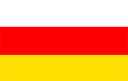
Design of the Flag of Hungary
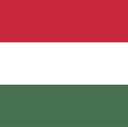
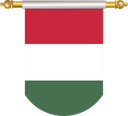
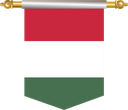
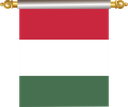
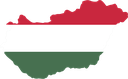
The Flag of Hungary consists of three horizontal stripes of equal width. From top to bottom, the colors are red, white, and green.
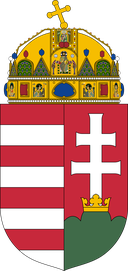
The design is symmetrical and minimalist, with no coat of arms on the civil flag. This simplicity allows the colors themselves to carry historical and symbolic meaning, making the flag instantly recognizable.
Meaning of Colors and Symbols
Each color on the Flag of Hungary carries deep symbolic meaning connected to the nation’s past and values.
The red stripe represents strength, courage, and the blood shed by Hungarians in their struggles for freedom and independence. It symbolizes sacrifice and resilience.
The white stripe represents faith, honesty, and peace. It reflects moral integrity and the hope for unity and justice.
The green stripe represents the land, agriculture, and Hungary’s natural landscape. It also symbolizes hope, renewal, and the future of the nation.
Together, the colors express sacrifice, integrity, and hope—core values of Hungarian identity.
Historical Background of the Hungary Flag
The colors of the Flag of Hungary date back to the 13th century, appearing in the heraldry of the Hungarian Kingdom. Over time, red, white, and green became firmly associated with national identity.
The modern tricolor emerged during the Hungarian Revolution of 1848, when it became a symbol of resistance against imperial rule and a call for independence and constitutional reform.
Although the flag underwent variations during different political periods, the plain tricolor was officially restored in 1957 and reaffirmed after the end of communist rule in 1989. Readers interested in this transformation can explore more context on the History of Hungary page.
Cultural and National Significance
The Flag of Hungary holds strong cultural and emotional significance for Hungarians. It represents national pride, sovereignty, and remembrance of past struggles.
The flag is prominently displayed during National Day celebrations on March 15, public holidays, and official ceremonies. For citizens, it symbolizes unity, historical continuity, and democratic values.
Relationship to Other European Tricolor Flags
The Flag of Hungary is part of the European tricolor tradition but remains unique in its color order and historical origins.
While some European tricolors emerged from revolutionary movements, Hungary’s colors have medieval roots that later gained revolutionary meaning. Comparing European national flags highlights Hungary’s blend of tradition and modern nationalism.
Modern Use of the Flag of Hungary
Today, the Flag of Hungary is flown on government buildings, schools, and public spaces throughout the country. It is also displayed at embassies, international organizations, and global sporting events representing Hungary abroad.
The flag plays an important role in education and civic life, helping citizens understand national history, independence, and responsibility. Its continued use reinforces Hungary’s identity as a sovereign European nation.
Interesting Facts About the Flag of Hungary
- The colors date back to medieval heraldry.
- The flag became a revolutionary symbol in 1848.
- The civil flag has no coat of arms.
- Red, white, and green are deeply symbolic.
- The design emphasizes simplicity and history.
Frequently Asked Questions
What do the colors of the Hungary flag represent?
Red represents sacrifice, white represents peace, and green represents hope and land.
When was the Flag of Hungary officially adopted?
The modern tricolor was reaffirmed in 1957 and again in 1989.
Why does the Hungary flag have no emblem?
The civil flag emphasizes unity through colors alone.
Is the Hungary flag connected to the 1848 revolution?
Yes, it became a major symbol during the revolution.
Where is the Hungary flag commonly displayed?
It is flown on public buildings and during national events.