Design of the Flag of Sierra Leone
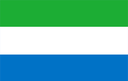
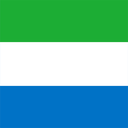
The flag of Sierra Leone consists of three horizontal stripes of equal height:
- Green at the top
- White in the middle
- Blue at the bottom
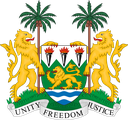
The design is clean and symmetrical, with no emblem, text, or additional symbols. Its simplicity makes it easy to recognize and reproduce.
The horizontal layout reflects balance and stability, reinforcing the peaceful message of the flag.
Meaning of the Colors
Each color on the Sierra Leone flag carries clear symbolic meaning connected to the country’s identity and aspirations.
The green stripe represents agriculture, forests, and natural resources. It reflects the fertile land and the importance of farming to the nation’s economy and livelihoods.
The white stripe symbolizes peace, unity, and justice. It reflects Sierra Leone’s desire for harmony after periods of hardship and division.
The blue stripe represents the Atlantic Ocean and natural harbors, especially the famous Freetown Harbor, one of the largest natural harbors in the world. Blue also symbolizes hope and progress.
Together, these colors express peace built on natural wealth and unity.
Historical Background and Adoption
Sierra Leone became a British colony in the 19th century and later developed a strong independence movement.
The country gained full independence on April 27, 1961, and the national flag was adopted on the same day.
The design was intentionally chosen to reflect peace and natural beauty rather than colonial symbols. Unlike many African flags of the time, Sierra Leone did not include Pan-African red, instead choosing blue to emphasize its maritime identity.
More historical context can be found on the history of Sierra Leone page.
Cultural and National Significance
The Sierra Leone flag holds strong national importance and is widely displayed during Independence Day celebrations, public holidays, and official ceremonies.
It represents unity among the country’s diverse ethnic groups and regions. The white stripe is especially meaningful as a symbol of reconciliation and justice.
Among African flags, Sierra Leone’s design is often compared with the Flag of Gambia, though the colors and symbolism differ.
The flag is commonly used in schools to teach values of peace, citizenship, and national pride.
Official Use and Flag Etiquette
The flag of Sierra Leone is flown at government buildings, schools, embassies, and public institutions.
It is displayed during diplomatic meetings, international conferences, and sporting events.
Respectful handling of the flag is encouraged. It should be kept clean, displayed correctly, and treated as a symbol of sovereignty and unity.
During periods of national mourning, the flag may be flown at half-mast following official guidelines.
The Flag in Modern Sierra Leone
In modern Sierra Leone, the flag symbolizes recovery, peace, and national resilience. It appears in tourism promotion, national branding, and international representation.
The calm color palette reflects the country’s desire for stability and long-term development.
The flag is embraced by citizens at home and abroad as a symbol of identity and hope.
Design Strength and Recognition
The Sierra Leone flag is admired for its simplicity and peaceful symbolism. The soft color combination creates a calm visual identity.
The absence of complex symbols ensures timeless appeal and easy recognition.
Its design communicates a clear message of peace and unity without visual clutter.
Questions About the Flag of Sierra Leone
When was the flag of Sierra Leone adopted?
It was adopted on April 27, 1961.
What do the colors of the flag represent?
They represent agriculture, peace, and the ocean.
Why does the flag include blue?
Blue represents the Atlantic Ocean and natural harbors.
Does the flag include Pan-African colors?
It includes green but does not include red.
Is the Sierra Leone flag the same on both sides?
Yes, the design appears on both sides of the flag.