Meaning and History of Estonia National Flag
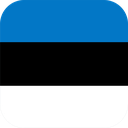
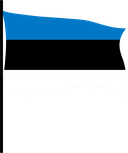
The blue color, black color and white tricolor first developed and connected with Estonian students of the nineteenth century. It advanced established into a national Emblem and it was also used when Republic of Estonia Celebrate freedom on February 24, 1918. Estonia’s Government Headquarters also explains that blue color is commonly allied with sky, future and truth, black color with soil and the past and white color with snow, spiritual light and hope.
For anyone downloading an Estonia flag JPG on social media, these colors are vital because they also signify its decoration. They also reveal national memory and the country’s long strength to reserve its identity.
Soviet Era and Historical Flag
People searching for the Estonian Soviet flag or Estonian SSR flag usually want the flag used during Estonia’s Soviet occupation period, when the traditional national tricolor was banned from official use.
Estonia on the Map and Tallinn
An Estonia flag map also helps, it show the country located on Northern Europe in the Baltic Sea. Estonia share his land borders with Latvia and Russia, Finland is also located on the Gulf. Tallinn is the capital city of Estonia. Popular things to do in Tallinn Estonia also include for exploring the medieval Old Town, visiting museums, walking on historic walls, enjoying perspectives and discovering local cafés. The European Union officially recognizes Tallinn as Estonia’s capital.
Estonia National Language, Religion and Culture
The official language in Estonia is Estonian, a Finnic language is also diligently related to Finnish. Other native languages, including Russian, are also spoken by people. Estonian is also an official EU language.
Estonia religion is assorted and many residents also report no religious association. Among people who also identify with a religion, Christianity is the most common belief, particularly Conventional Christianity and Lutheranism. Statistics of Estonia is also reported that 58% of population had no religious relationship in its 2021 National survey.
Estonia culture is also syndicates folk music, song festivals, sauna traditions, literature, digital innovation and a strong association with forests and the Baltic background. Estonia is also an associate member of the European Union.
Estonia Independence Day and National Currency
The Independence Day of Estonia is celebrated on February 24, it also coat the assertion of freedom in 1918. The country get freedom in 1991 after Soviet livelihood.
The National currency in Estonia is the euro. Estonia also joined the euro on January 1, 2011. Today, euro are used for pay shopping, travel, services and everyday payments.
Questions about Estonia Country
Is Estonia a poor or developed country?
Yes. Estonia is broadly deliberated as a developed European country, it is also known for its advanced digital public amenities, strong education, up-to-date infrastructure, high value internet use and EU membership.
What is Estonia known for?
Estonia is also known for developing digital government, Tallinn’s medieval Old Town, forests, islands, song carnivals, advanced technology, Baltic culture, typical national legacy and its blue color, black color and white color flag.
Is it safe for guests and visitors to travel to Estonia?
Estonia is generally considered a safe destination for visitors, but travelers should also protect treasures, it is obvious to follow local regulation, use official transport and check current travel guidance before departure.
What is the National currency does Estonia use?
Estonia uses the euro, written as EUR or €. It joined the euro area in 2011, replacing the Estonian kroon for everyday payments and financial transactions.
What is the capital city of Estonia?
Tallinn is the capital of Estonia and its largest city. It is famous for a well-preserved medieval Old Town, historic architecture, museums, viewpoints, and modern digital culture.