Design of the Flag of Namibia
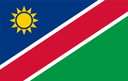
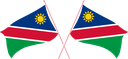
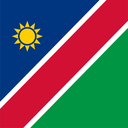
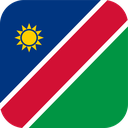
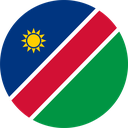
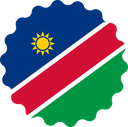
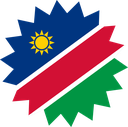
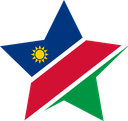
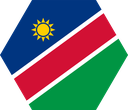
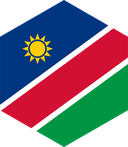
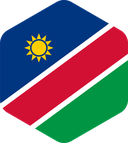
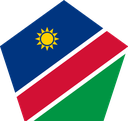
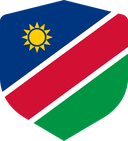
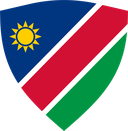
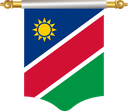
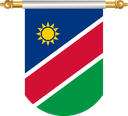
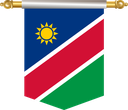
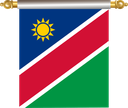
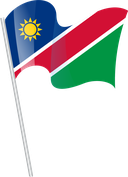
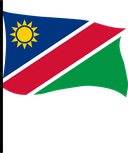
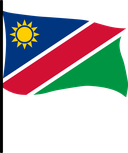
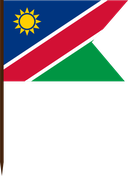
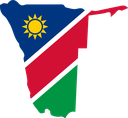
The flag of Namibia features a diagonal red stripe running from the lower hoist corner to the upper fly corner. This red band is bordered on both sides by thin white stripes, separating it from the blue upper triangle and the green lower triangle.
In the upper hoist corner of the blue triangle appears a golden sun with twelve triangular rays. The design is modern, balanced, and visually dynamic, symbolizing movement and progress. The diagonal layout distinguishes Namibia’s flag from many traditional horizontal or vertical tricolors.
Meaning of the Colors and Symbols
Every element of the Namibia flag carries clear symbolic meaning connected to the nation’s identity.
The blue color represents the sky, the Atlantic Ocean, and the importance of water, a vital resource in Namibia’s largely arid environment. It also symbolizes loyalty and responsibility.
The red diagonal stripe represents the Namibian people, their determination, and their heroic struggle for independence. It reflects courage, unity, and the willingness to work together for a shared future.
The white stripes symbolize peace, harmony, and national unity, separating and balancing the stronger colors on the flag.
The green color represents agriculture, vegetation, and natural resources, symbolizing growth and hope for future prosperity.
The golden sun symbolizes life, energy, and warmth. Its twelve rays represent vitality and the life-giving power of the sun, which plays a central role in Namibia’s climate and environment.
Historical Background and Adoption
Namibia’s path to independence was long and complex. Formerly known as South West Africa, the country was administered by South Africa for much of the 20th century following German colonial rule.
After years of political struggle and international negotiations, Namibia gained independence on March 21, 1990. The national flag was officially adopted on the same day, making it a direct symbol of freedom and sovereignty.
The design was selected through a national competition, emphasizing unity and forward-looking identity. More historical context can be found on the history of Namibia page.
Cultural and National Significance
The Namibian flag holds strong emotional value for citizens and is closely tied to Independence Day celebrations each year. It represents the successful achievement of self-rule and the collective effort of the Namibian people.
Among African flags, Namibia’s design is often compared with the Flag of South Africa and the Flag of Tanzania, which also use diagonal elements. However, Namibia’s sun symbol and color combination give it a unique visual identity.
The flag is widely used in schools, public institutions, and international representation, reinforcing national unity.
Official Use and Flag Etiquette
The flag of Namibia is flown at government buildings, schools, embassies, and public institutions. It is prominently displayed during national holidays, state ceremonies, and international events.
Guidelines encourage respectful handling of the flag. It should be displayed properly and treated as a symbol of independence, unity, and national pride. During official observances, the flag may be raised or lowered according to established protocol.
The Flag in Modern Namibia
In modern Namibia, the flag symbolizes optimism and progress. It is commonly seen at sporting events, cultural festivals, and international forums.
The flag’s bright colors and clear symbolism make it an effective representation of Namibia’s values and aspirations as a peaceful, independent nation focused on development and cooperation.
Design Strength and Recognition
The Namibian flag is praised for its strong design and symbolism. The diagonal layout creates movement, while the sun emblem adds cultural and environmental relevance.
Its balanced use of color and meaningful symbolism ensures easy recognition and lasting relevance, making it one of Africa’s most distinctive national flags.
Questions About the Flag of Namibia
When was the flag of Namibia adopted?
The flag was adopted on March 21, 1990, the day Namibia gained independence.
What does the sun on the flag represent?
It represents life, energy, and warmth.
Why does the flag use a diagonal design?
The diagonal symbolizes movement, unity, and progress.
What do the colors of the Namibian flag mean?
They represent water and sky (blue), people and struggle (red), peace (white), and growth (green).
Is the Namibia flag the same on both sides?
Yes, the design appears on both sides of the flag.