


OPEC Member Countries – Full List & Details
The OPEC Member Countries page provides a complete overview of the nations that form the Organization of the Petroleum Exporting Countries. Established in 1960, OPEC plays a major role in coordinating oil production policies among its members. The organization works to stabilize global oil markets, ensure fair returns for producers, and maintain steady supply for consumers. This guide explains which countries are members, how OPEC membership functions, and why the organization remains influential in the global energy sector.
What is OPEC?
The Organization of the Petroleum Exporting Countries, commonly known as OPEC, is an intergovernmental organization focused on coordinating petroleum policies among member states.
OPEC works on:
- Oil production coordination
- Market stability
- Energy policy discussions
- Price monitoring
- Long-term energy planning
- International energy cooperation
The OPEC Secretariat is headquartered in Vienna, Austria.
How Many Members Are in OPEC?
OPEC currently has 13 member countries (membership may change based on admissions or withdrawals).
Membership is open to countries that are significant oil exporters and share similar economic interests.
Complete List of OPEC Member Countries
Below is the updated list of OPEC member countries:
- Algeria
- Angola
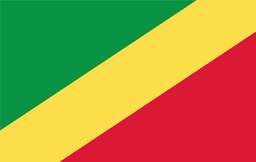
- Congo
- Equatorial Guinea
- Gabon
- Iran
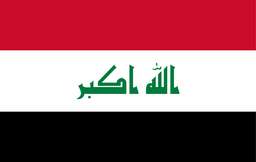
- Iraq
- Kuwait
- Libya
- Nigeria
- Saudi Arabia
- United Arab Emirates
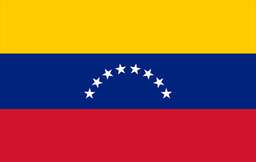
- Venezuela
Each member state controls its own oil production while cooperating through collective agreements.
You can explore each national flag in our OPEC Countries Flags section for more detailed information.
Founding and Expansion of OPEC
OPEC was founded on 14 September 1960 in Baghdad.
The five founding members were:
- Iran
- Iraq
- Kuwait
- Saudi Arabia
- Venezuela
Over time, additional oil-exporting countries joined the organization to strengthen collective coordination.
Why OPEC Membership Matters
Membership in OPEC provides several strategic benefits:
Market Influence
Members coordinate production levels to influence global oil supply.
Economic Stability
Cooperation helps stabilize oil revenues.
Energy Policy Dialogue
Members share research and energy strategies.
International Negotiation Power
Collective representation strengthens global bargaining positions.
Long-Term Planning
OPEC promotes sustainable and balanced energy markets.
Economic Importance of OPEC Members
Combined, OPEC member countries represent:
- A large share of global oil reserves
- Significant oil production capacity
- Major influence on global energy markets
- Strong economic dependence on petroleum exports
Their coordinated actions can impact global oil prices.
Governance Structure of OPEC
OPEC operates through:
- OPEC Conference (highest authority)
- Board of Governors
- Economic Commission Board
- OPEC Secretariat
Decisions are made collectively by member representatives.
Role of the OPEC Flag
The Flag of OPEC symbolizes unity and cooperation among oil-producing nations.
It is displayed at:
- OPEC conferences
- Official headquarters
- Energy summits
- Diplomatic meetings
The emblem reflects professional coordination rather than political integration.
Relationship with National Sovereignty
OPEC membership does not override national authority.
Each member country:
- Controls its own oil resources
- Maintains its own government
- Preserves its national identity and flag
Cooperation is based on voluntary agreements.
Global Impact of OPEC Members
OPEC plays an important role in:
- Energy market discussions
- Oil supply adjustments
- Global economic stability
- International energy policy debates
The organization remains a key player in global energy affairs.
Interesting Facts About OPEC Members
- OPEC was founded in 1960
- It has 13 member countries
- Headquarters is located in Vienna
- It coordinates oil production policies
- It influences global energy markets
Questions About OPEC Member Countries
How many countries are members of OPEC?
There are currently 13 member states.
When was OPEC founded?
It was founded in 1960.
What is the main goal of OPEC?
To coordinate oil production and stabilize global markets.
Does OPEC control national oil industries?
No, each country retains control over its own resources.
Where is OPEC headquarters located?
It is located in Vienna, Austria.







All Rights Reserved © 2025