Design of the Flag of Chad
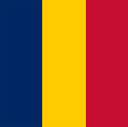
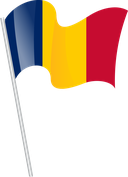
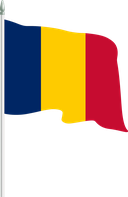
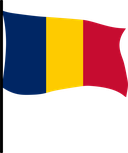
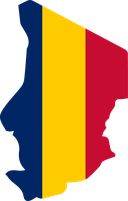
The flag of Chad consists of three vertical stripes of equal width. From left to right, the colors are blue, yellow, and red. The layout follows a clean and balanced vertical tricolor format.
The simplicity of the design ensures easy recognition and visibility. Despite its visual similarity to Romania’s flag, Chad’s version uses a darker shade of blue, which reflects different symbolism and national context.
Meaning of Colors and Symbols
Each color on the Chad flag has a clear symbolic meaning connected to the country’s geography and values.
The blue stripe represents the sky, hope, and the southern regions of Chad, which receive more rainfall and support agriculture. It also symbolizes unity and aspiration for peace.
The yellow stripe symbolizes the sun and the Sahara Desert in the north. It represents energy, resilience, and the harsh natural environment that shapes much of the country.
The red stripe represents the blood shed by those who fought for independence, as well as courage, sacrifice, and national unity.
Together, the colors express balance between hope, endurance, and sacrifice, forming the foundation of Chad’s national identity.
Historical Background of the Chad Flag
The flag of Chad was officially adopted on November 6, 1959, shortly before the country gained full independence from France in 1960. The design was chosen to reflect both Pan-African ideals and Chad’s unique geography.
Blue, yellow, and red were selected instead of the more common green Pan-African color to better represent the desert landscape and climatic diversity of the country. Since independence, the flag has remained unchanged, symbolizing continuity and sovereignty. Readers interested in this period can explore more details on the History of Chad page.
Cultural and National Significance
The flag of Chad holds strong national importance as a symbol of independence and unity. It represents a country made up of diverse ethnic groups, languages, and regions, brought together under one national identity.
The flag is prominently displayed during Independence Day celebrations, national ceremonies, and official events. For citizens, it represents pride, resilience, and the hope for peace and stability.
Relationship to Other National Flags
The Chad flag is often compared to the flag of Romania due to their similar color arrangement. However, the two flags differ in shade, origin, and meaning.
Unlike Romania’s European historical context, Chad’s flag reflects African geography, independence, and post-colonial identity. This comparison highlights how similar designs can hold very different symbolic meanings across regions.
Modern Use of the Flag of Chad
Today, the flag of Chad is flown on government buildings, schools, and public spaces throughout the country. It is also displayed at embassies and international organizations representing Chad abroad.
The flag plays an important role in civic education and national ceremonies, reinforcing values of unity, sacrifice, and sovereignty. Its continued use reflects Chad’s enduring national identity.
Interesting Facts About the Flag of Chad
- The flag was adopted in 1959.
- It closely resembles Romania’s flag.
- Blue represents hope and water.
- Yellow symbolizes the desert and sun.
- The design has remained unchanged since independence.
Frequently Asked Questions
Why does the Chad flag look similar to Romania’s flag?
They share similar colors, but represent different histories and meanings.
What do the colors of the Chad flag represent?
Blue stands for hope, yellow for the desert and sun, and red for sacrifice.
When was the flag of Chad adopted?
It was adopted on November 6, 1959.
Is Chad’s flag unique despite similarities?
Yes, its symbolism and shade of blue distinguish it from other flags.
Where is the Chad flag commonly displayed?
It is flown on government buildings and during national events.