Design of the Flag of Germany
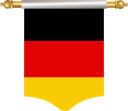
The Flag of Germany consists of three horizontal stripes of equal width. From top to bottom, the colors are black, red, and gold.
The design is minimalist and balanced, with no coat of arms or additional symbols. The simplicity of the layout allows the colors themselves to carry historical and political meaning, making the flag easily recognizable across the world.
Meaning of Colors and Symbols
Each color on the Flag of Germany carries deep symbolic meaning rooted in history and democratic ideals.
The black color represents determination and strength. Historically, it is associated with resistance against oppression and the difficult periods of German history.
The red color symbolizes courage, sacrifice, and the struggle for freedom. It reflects the blood shed by those who fought for liberty and national unity.
The gold color represents freedom, justice, and prosperity. It symbolizes hope, democracy, and a brighter future built on constitutional values.
Together, black, red, and gold represent the ideals of unity, freedom, and democracy rather than ethnic or religious identity.
Historical Background of the Germany Flag
The colors of the Flag of Germany originated in the early 19th century, during movements seeking national unity and freedom from authoritarian rule. They became strongly associated with liberal and democratic ideals.
The tricolor was officially adopted during the Weimar Republic in 1919. Although it was later replaced during the Nazi era, the flag was restored after World War II as a symbol of democratic renewal.
The modern Flag of Germany was officially adopted in 1949 by West Germany and later became the flag of a reunified Germany in 1990. Readers interested in this transformation can explore more context on the History of Germany page.
Cultural and National Significance
The Flag of Germany holds deep cultural and political significance. It represents a commitment to democracy, human rights, and peaceful coexistence.
The flag is prominently displayed during national holidays such as German Unity Day, international sporting events, and official ceremonies. For citizens, it symbolizes pride in democratic values and national responsibility rather than nationalism alone.
Relationship to Other European Tricolor Flags
The Flag of Germany is part of a broader tradition of European tricolor flags that emerged from revolutionary and reform movements. However, its horizontal black-red-gold pattern is unique.
Unlike flags inspired by monarchy, Germany’s flag is closely linked to popular sovereignty and constitutional order. Comparing European flags highlights Germany’s emphasis on democratic identity.
Modern Use of the Flag of Germany
Today, the Flag of Germany is flown on government buildings, schools, and public spaces throughout the country. It is also displayed at embassies, international organizations, and global events representing Germany abroad.
The flag plays an important role in education and civic life, helping citizens understand history, constitutional values, and national unity. Its continued use reinforces Germany’s identity as a democratic and influential European nation.
Interesting Facts About the Flag of Germany
- The colors date back to the 19th century.
- The flag represents democratic ideals.
- It was restored after World War II.
- The design has no official emblem.
- It became the unified flag in 1990.
Frequently Asked Questions
What do the colors of the Germany flag represent?
They represent unity, freedom, and democracy.
When was the Flag of Germany officially adopted?
It was adopted in 1949 and reaffirmed in 1990.
Why does the Germany flag have no symbol?
The colors themselves carry historical and political meaning.
Was the Germany flag ever banned?
Yes, it was replaced during the Nazi period.
Where is the Germany flag commonly displayed?
It is flown on public buildings and during national events.