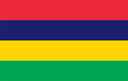
Design of the Flag of Mali
The Flag of Mali consists of three vertical stripes of equal width.
- The left stripe is green
- The center stripe is yellow
- The right stripe is red
The colors are arranged from the hoist side outward, creating a balanced and bold tricolor design with no additional symbols or emblems.
Meaning of Colors and Symbols
Each color of the Flag of Mali carries deep symbolic meaning connected to history and culture.
The green stripe represents the fertile land and natural resources of Mali. It symbolizes agriculture, growth, and hope for prosperity. Green also reflects the importance of nature and rural life.
The yellow stripe represents wealth, the sun, and Mali’s rich cultural heritage. It is often associated with the historical gold trade that once made the region famous during the Mali Empire.
The red stripe represents the blood shed by those who fought for independence and freedom. It symbolizes sacrifice, courage, and determination.
Together, these colors express unity between land, people, and sacrifice.
Historical Background of the Mali Flag
The Flag of Mali was officially adopted on March 1, 1961, shortly after Mali gained independence from French colonial rule in 1960.
Initially, Mali’s flag included a black kanaga symbol, representing traditional African culture. However, the symbol was later removed to respect religious sensitivities, leaving the simple tricolor design.
The final version reflects Mali’s desire for unity, inclusiveness, and national identity without religious or ethnic division.
Readers interested in Mali’s independence era can explore more context on the History of Mali page.
Cultural and National Significance
The Flag of Mali holds strong cultural and emotional significance. It represents independence, dignity, and African identity.
The flag is prominently displayed during Independence Day, national ceremonies, and cultural events. For Malians, it symbolizes freedom, resilience, and pride in a shared national future.
The tricolor design emphasizes equality and unity among diverse ethnic and cultural groups.
Relationship to Other African Flags
The Flag of Mali uses Pan-African colors, similar to flags such as Guinea, Senegal, and Ghana.
What distinguishes Mali’s flag is its vertical stripe arrangement and the absence of additional symbols. Comparing African national flags highlights Mali’s preference for simplicity and strong color symbolism.
Modern Use of the Flag of Mali
Today, the Flag of Mali is flown on government buildings, schools, public institutions, and national landmarks throughout the country. It is also displayed at embassies, international organizations, and sporting events representing Mali abroad.
The flag plays an important role in civic education, helping citizens understand national history, unity, and independence. Its continued use reinforces Mali’s identity as a sovereign West African nation.
Interesting Facts About the Flag of Mali
- It was adopted in 1961.
- It originally included a cultural symbol.
- It uses Pan-African colors.
- The design is a vertical tricolor.
- It represents unity and independence.
Frequently Asked Questions
What do the colors of the Mali flag represent?
Green represents land, yellow represents wealth and culture, and red represents sacrifice.
When was the Flag of Mali adopted?
It was adopted on March 1, 1961.
Why was a symbol removed from the Mali flag?
To respect religious and cultural inclusiveness.
Is the Mali flag a Pan-African flag?
Yes, it uses traditional Pan-African colors.
Where is the Mali flag commonly displayed?
It is flown on public buildings and during national events.