Design of the Flag of Belgium
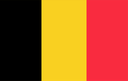
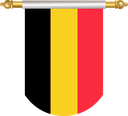
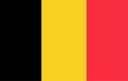
The flag of Belgium consists of three vertical stripes of equal width. From left to right, the colors are black, yellow, and red. The vertical arrangement distinguishes it from similar tricolor flags with horizontal layouts.
The simple structure allows the colors to stand out clearly without additional symbols or text. The vertical orientation gives the flag a strong and formal appearance, making it easily recognizable in both national and international settings.
Meaning of Colors and Symbols
Each color on the Belgium flag has historical and symbolic significance. The black color represents strength and determination. It is also associated with the historical arms of the Duchy of Brabant, a key region in Belgium’s past.
The yellow color symbolizes prosperity, wealth, and generosity. It reflects the golden lion featured in historical heraldry and represents courage and honor.
The red color stands for bravery, sacrifice, and the blood shed during the struggle for independence. Red emphasizes the commitment to freedom and national unity.
Together, these colors express Belgium’s heritage, resilience, and shared values across its communities.
Historical Background of the Belgium Flag
The modern flag of Belgium was officially adopted in 1831, following the Belgian Revolution and independence from the Netherlands. The tricolor design was inspired by the colors of the Duchy of Brabant, which played a central role in the independence movement.
Originally, the flag used horizontal stripes, but it was later changed to a vertical format to create a distinct national symbol. The adoption of the flag marked the establishment of Belgium as a sovereign constitutional monarchy. Readers interested in this period can explore more context on the History of Belgium page.
Cultural and National Significance
The flag of Belgium holds deep national significance and represents unity within a linguistically and culturally diverse country. Belgium is home to multiple language communities, and the flag serves as a shared national symbol.
The flag is prominently displayed during national holidays, official ceremonies, and international events. For Belgians, it represents independence, democracy, and national cohesion despite regional diversity.
Relationship to Other Tricolor Flags
The Belgium flag shares the tricolor format with several European flags but remains distinct due to its vertical black-yellow-red arrangement. While it may visually resemble flags of neighboring countries, its color order and symbolism are unique.
Visitors exploring European flags may notice how Belgium’s tricolor reflects both revolutionary influence and local historical roots.
Modern Use of the Flag of Belgium
Today, the flag of Belgium is flown on government buildings, schools, and public spaces across the country. It is also displayed at embassies and international organizations, representing Belgium on the global stage.
The flag is widely used during sporting events, cultural festivals, and national commemorations. Its continued use reinforces national identity and international recognition.
Interesting Facts About the Flag of Belgium
- The flag was adopted in 1831.
- It was originally designed with horizontal stripes.
- The colors come from the Duchy of Brabant.
- Belgium is a constitutional monarchy.
- The flag represents unity in diversity.
Frequently Asked Questions
What do the colors of the Belgium flag represent?
Black represents strength, yellow symbolizes prosperity, and red stands for bravery.
When was the flag of Belgium adopted?
The flag was officially adopted in 1831.
Why does the Belgium flag have vertical stripes?
The vertical design was chosen to distinguish it from similar tricolor flags.
Is the Belgium flag used internationally?
Yes, it is widely recognized and used at international events.
Does the Belgium flag represent multiple cultures?
Yes, it symbolizes unity among Belgium’s diverse linguistic and cultural communities.