Design of the Flag of Niger
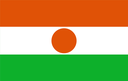
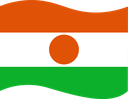
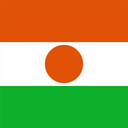
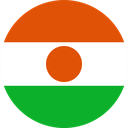
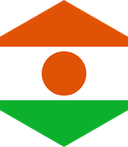
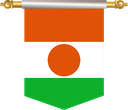
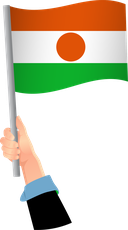
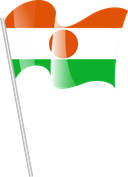
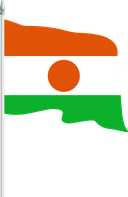
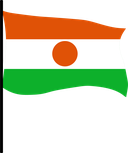
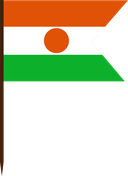
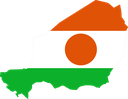
The flag of Niger consists of three horizontal stripes of equal width. From top to bottom, the colors are orange, white, and green. At the center of the white stripe is an orange circle.
The design is symmetrical and minimalistic, making it easy to recognize and reproduce. The use of both stripes and a central emblem gives the flag a balanced appearance while keeping the symbolism clear and accessible.
Meaning of the Colors and Symbols
Each color and symbol on the Niger flag carries specific meaning connected to the country’s environment and values.
The orange stripe at the top represents the Sahara Desert, which covers much of Niger’s northern territory. It also symbolizes endurance, sacrifice, and the challenges faced by the nation.
The white stripe represents peace, purity, and hope. It reflects Niger’s aspiration for harmony and stability, both internally and in its relations with neighboring countries.
The green stripe symbolizes fertility, agriculture, and the southern regions of Niger, where farming is more common. It represents life, growth, and economic potential.
The orange circle in the center of the flag represents the sun, symbolizing energy, life, and the bright future of the nation. It also reflects Niger’s warm climate and the importance of sunlight in daily life.
Historical Background and Adoption
Niger was part of French West Africa during the colonial period. As independence movements grew across Africa in the mid-20th century, Niger began developing national symbols that would represent its identity as a sovereign state.
The flag of Niger was officially adopted on November 23, 1959, shortly before the country gained full independence from France on August 3, 1960. The design was chosen to reflect Niger’s geography and values rather than colonial imagery.
More historical context can be found on the history of Niger page, which explores the country’s path to independence and nationhood.
Cultural and National Significance
The Niger flag holds strong national importance and is widely displayed during Independence Day celebrations, national holidays, and official ceremonies. It represents unity among Niger’s diverse ethnic groups and regions.
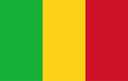
Within West Africa, the Niger flag is often compared with the Flag of Ivory Coast and the Flag of Mali, which also use simple tricolor designs. However, the central sun symbol makes Niger’s flag unique among regional flags.
The flag is a source of pride and is commonly used in schools, public institutions, and international representation.
Official Use and Flag Etiquette
The flag of Niger is flown at government buildings, schools, embassies, and public institutions. It is also displayed during international events and diplomatic meetings.
Respectful handling of the flag is encouraged. It should be kept clean, displayed properly, and treated as a symbol of national unity and sovereignty. During national mourning or official observances, the flag may be flown according to established protocol.
The Flag in Modern Niger
In modern Niger, the flag continues to symbolize independence and national identity. It appears at cultural festivals, sporting events, and public gatherings.
Despite economic and environmental challenges, the flag remains a symbol of hope and resilience. Its simple design reflects clarity of purpose and a forward-looking national vision.
Design Simplicity and Recognition
The Niger flag is praised for its simplicity and meaningful symbolism. With only three colors and a single central emblem, it effectively communicates geographic and cultural identity.
The contrast between the stripes and the sun ensures strong visibility and easy recognition, both domestically and internationally.
Questions About the Flag of Niger
When was the flag of Niger adopted?
The flag was adopted on November 23, 1959.
What does the orange color represent?
It represents the Sahara Desert and endurance.
What is the meaning of the orange circle?
It symbolizes the sun and a bright future.
Why does the flag include green?
Green represents agriculture, fertility, and growth.
Is the Niger flag the same on both sides?
Yes, the design appears on both sides of the flag.