Design of the Flag of Portugal
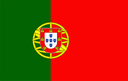
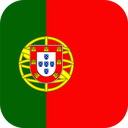
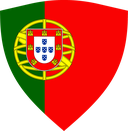
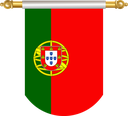
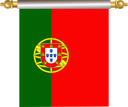
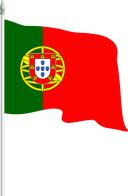
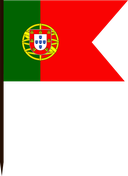
The flag of Portugal is divided vertically into two unequal sections. The hoist side is green, occupying two-fifths of the flag, while the fly side is red, covering the remaining three-fifths.
At the center, where the two colors meet, is the Portuguese coat of arms, placed on top of a golden armillary sphere.
The combination of bold colors and detailed symbols gives the flag a strong visual identity and immediate recognition.
Meaning of the Colors
The colors of the Portuguese flag carry historical and political significance.
The green color symbolizes hope and renewal. It is also associated with the Republican movement that led to the end of the monarchy.
The red color represents bravery, sacrifice, and the blood shed by those who defended Portugal and fought for freedom and independence.
Together, green and red reflect both optimism for the future and respect for past sacrifices.
Meaning of the Symbols
The armillary sphere is one of the most important symbols on the Portuguese flag. It represents navigation, exploration, and Portugal’s maritime heritage. The armillary sphere was widely used during the Age of Discovery and became a symbol of Portugal’s global influence.
Placed on the armillary sphere is the Portuguese coat of arms, which includes:
- Five blue shields, each containing five white dots, traditionally associated with victory and Christian heritage
- A red border decorated with seven golden castles, symbolizing defense and territorial strength
These elements reflect Portugal’s medieval history, royal authority, and national unity.
Historical Background and Adoption
Portugal’s current flag was adopted following the Republican Revolution of 1910, which ended centuries of monarchy.
The new republican government sought national symbols that represented progress while respecting historical identity. The flag was officially adopted on June 30, 1911, replacing the former blue and white royal flag.
Although the colors changed, many historic symbols were preserved to maintain continuity with Portugal’s past. More historical background can be found on the history of Portugal page.
Cultural and National Significance
The Portuguese flag holds deep cultural significance and is widely displayed during Portugal Day (June 10), national holidays, and public celebrations.
It symbolizes independence, exploration, and national resilience. The flag is commonly seen at government buildings, schools, sports events, and international gatherings.
Among European flags, Portugal’s design is unique due to its asymmetrical layout and prominent historic symbols.
The flag is also closely tied to Portuguese identity abroad, especially in Lusophone countries and diaspora communities.
Official Use and Flag Etiquette
The flag of Portugal is flown at government institutions, embassies, schools, and public spaces. It is also displayed during international sporting events and diplomatic ceremonies.
Respectful handling of the flag is encouraged. It should be raised and lowered properly and kept in good condition.
During national mourning, the flag may be flown at half-mast in accordance with official guidelines.
The Flag in Modern Portugal
In modern Portugal, the flag remains a strong symbol of democracy, heritage, and international presence. It appears frequently in cultural promotions, tourism branding, and educational materials.
Despite political and social changes over time, the flag has remained unchanged, reinforcing stability and national continuity.
Its maritime symbolism continues to resonate in a country closely connected to the sea.
Design Strength and Recognition
The Portuguese flag is admired for combining bold colors with detailed historic imagery. The contrast between green and red enhances visibility, while the armillary sphere and coat of arms add depth and storytelling.
The design successfully balances tradition with modern national identity.
Its distinct appearance ensures strong recognition worldwide.
Questions About the Flag of Portugal
When was the flag of Portugal adopted?
The current flag was adopted on June 30, 1911.
What does the armillary sphere symbolize?
It represents exploration, navigation, and maritime heritage.
Why are green and red used on the flag?
They symbolize hope, sacrifice, and republican ideals.
What do the castles on the coat of arms represent?
They symbolize defense and territorial strength.
Is the Portugal flag the same on both sides?
Yes, the design appears on both sides of the flag.