Design of the Flag of France
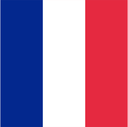
The Flag of France consists of three vertical stripes of equal width. From left to right, the colors are blue, white, and red.
The vertical layout distinguishes France’s flag from many horizontal tricolors. The clean design ensures instant recognition and allows the colors themselves to carry the symbolic message without additional emblems or text.
Meaning of Colors and Symbols
Each color on the Flag of France holds deep historical and symbolic meaning.
The blue stripe represents liberty and vigilance. Historically, blue was associated with Paris and the French people, symbolizing freedom and perseverance.
The white stripe represents equality and unity. It was historically linked to the French monarchy but later came to symbolize the unity of the nation and the rule of law.
The red stripe represents fraternity and the blood shed during the struggle for freedom. It symbolizes courage, sacrifice, and the revolutionary spirit.
Together, blue, white, and red represent the core values of the French Republic: Liberté, Égalité, Fraternité.
Historical Background of the France Flag
The Flag of France was officially adopted in 1794, during the French Revolution. The tricolor was designed to replace the royal banner and reflect the ideals of the revolution.
The combination of blue and red from Paris with the royal white symbolized unity between the people and the nation. Although the flag was temporarily replaced during certain historical periods, it was permanently restored as the national flag in 1830.
Readers interested in this transformation can explore more context on the History of France page, which explains the political and social changes behind the flag’s creation.
Cultural and National Significance
The Flag of France holds immense cultural and emotional significance for the French people. It represents democracy, citizenship, and national pride.
The flag is prominently displayed during national holidays such as Bastille Day on July 14, public ceremonies, and international events. For citizens, it symbolizes the rights and responsibilities of the republic.
Influence on Other National Flags
The Flag of France has had a major influence on flags around the world. Many countries adopted tricolor designs inspired by the French Revolution and republican ideals.
European, African, and American flags have borrowed the tricolor concept as a symbol of independence and democracy. This influence highlights France’s historical role in shaping modern political symbolism.
Modern Use of the Flag of France
Today, the Flag of France is flown on government buildings, schools, and public spaces throughout the country. It is also displayed at embassies, international organizations, and global events representing France abroad.
The flag plays an important role in education and civic life, teaching values of freedom, equality, and national responsibility. Its continued use reinforces France’s identity as a leading democratic nation.
Interesting Facts About the Flag of France
- The flag is known as the Tricolore.
- It was adopted during the French Revolution.
- The colors represent liberty, equality, and fraternity.
- The design influenced many other flags.
- The stripes are always vertical.
Frequently Asked Questions
What do the colors of the France flag represent?
They represent liberty, equality, and fraternity.
When was the Flag of France adopted?
It was officially adopted in 1794.
Why does the France flag use vertical stripes?
To create a distinct and balanced tricolor design.
Did the France flag influence other countries?
Yes, many national flags were inspired by it.
Where is the France flag commonly displayed?
It is flown on public buildings and during national events.