Design of the Flag of North Macedonia
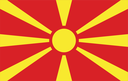
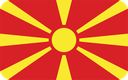
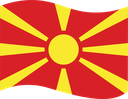
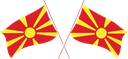
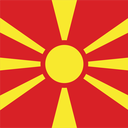
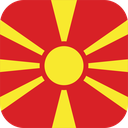
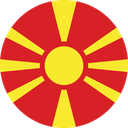
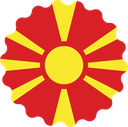
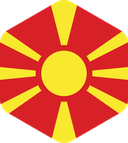
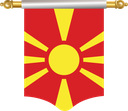
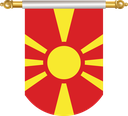
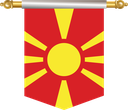
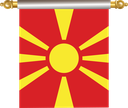
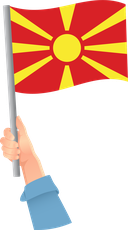
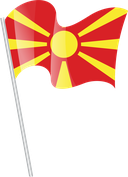
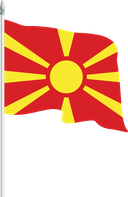
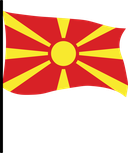
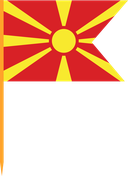
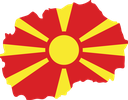
The flag of North Macedonia features a bright red background with a stylized yellow sun at the center. From the sun’s circular core extend eight broad rays that reach the edges of the flag.
The design is symmetrical and dynamic, creating a sense of movement and energy. The sun occupies a dominant position, ensuring the flag is instantly identifiable even from a distance.
The proportions and color tones are standardized to preserve consistency in official use.
Meaning of the Colors and Symbols
Every element of the North Macedonian flag carries symbolic meaning rooted in history and national identity.
The red background represents courage, sacrifice, and the struggle for freedom. Red has been historically associated with resistance and independence movements in the region.
The yellow sun symbolizes freedom, life, and renewal. It represents hope and the bright future of the nation.
The eight rays of the sun extend outward to symbolize openness, unity, and the spread of freedom. The sun itself is inspired by the phrase “the new sun of liberty,” referenced in the national anthem of North Macedonia.
Together, the red and yellow colors create a strong visual contrast that emphasizes vitality and national pride.
Historical Background and Adoption
After the breakup of Yugoslavia, North Macedonia declared independence in 1991. The newly independent state initially adopted a flag featuring the Vergina Sun, an ancient symbol associated with classical Macedonia.
However, due to regional disputes and diplomatic concerns, a new design was introduced. The current flag was officially adopted on October 5, 1995, replacing the earlier version.
The redesigned sun symbol retained historical inspiration while establishing a distinct and modern national identity. More historical context can be found on the history of North Macedonia page.
Cultural and National Significance
The North Macedonia flag is widely used during national holidays, Independence Day celebrations, and public ceremonies. It represents sovereignty, unity, and cultural continuity.
Among Balkan flags, North Macedonia’s design is unique due to its radiant sun motif. It is often compared with the Flag of Albania and the Flag of Montenegro, though its symbolism and layout are distinctly different.
The flag plays an important role in reinforcing national identity, especially following the country’s name change in 2019.
Official Use and Flag Etiquette
The flag of North Macedonia is flown at government buildings, schools, embassies, and public institutions. It is also displayed during international meetings, sporting events, and diplomatic ceremonies.
Guidelines encourage respectful handling of the flag. It should be displayed properly, kept in good condition, and treated as a symbol of national unity and independence.
The flag is commonly displayed alongside the flags of other European nations during international representation.
The Flag in Modern North Macedonia
In modern North Macedonia, the flag symbolizes stability and international recognition. It is widely embraced by citizens and appears in cultural events, public demonstrations, and national branding.
The flag has become an important symbol following the country’s resolution of naming disputes and its growing role in regional and international cooperation.
Its simple yet powerful design makes it effective in both domestic and global contexts.
Design Strength and Recognition
The North Macedonia flag is often praised for its clarity and impact. The central sun and extended rays create a dynamic and memorable visual.
Unlike flags with text or complex emblems, this design communicates identity through symbolism alone, ensuring timeless relevance and easy recognition.
The flag reflects a modern approach to national symbolism rooted in historical inspiration.
Questions About the Flag of North Macedonia
When was the flag of North Macedonia adopted?
The flag was officially adopted on October 5, 1995.
What does the sun symbolize?
It symbolizes freedom, life, and a new beginning.
Why are there eight rays on the sun?
They represent openness and the spread of liberty.
What do the red and yellow colors mean?
Red represents struggle and courage, while yellow represents hope and vitality.
Is the North Macedonia flag the same on both sides?
Yes, the design appears on both sides of the flag.