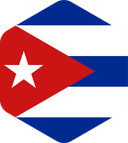
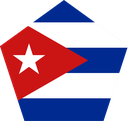
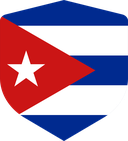
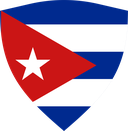
Cuba Country Flag History
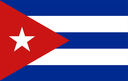
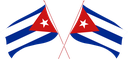
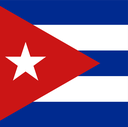
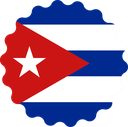
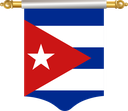
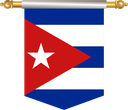
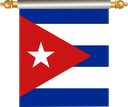
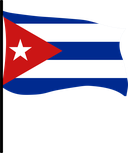
The Cuba country flag was created during the 19th century when Cuban independence movements were growing. The flag was first designed in 1849 by Miguel Teurbe Tolón. The official flag was approved after Cuba get freedom from Spanish in 1902. The design has generally remained an important national sign for generations. The Cuban flag history also shows the connection of freedom movements, national accord and the desire for independence. Today, the flag is displayed on national celebrations and also in important events.
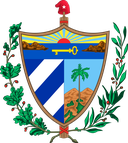
Cuba Flag Meaning and Emblem
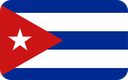
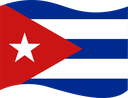
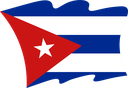
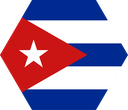
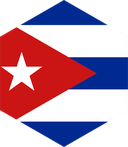
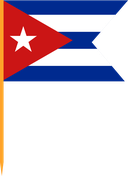
Understanding the Cuba flag meaning also helps to explain why each part of the design matters. The red color triangle also characterizes strength and sacrifice, while the white color star also signifies independence. The three blue color stripes signify the historical splits of Cuba and the two white color stripes characterize purity and justice. Together, these elements can also create a meaningful national Flag design. The Cuban flag colors are familiar universally and it also signify Cuba’s history, struggles and hopes for the future.
Cuban Map Location
People regularly search where is cuba on the map, to learn about its geographical place. Cuba is the largest country in the Caribbean Sea, it also located on south area of the United States and east of Mexico.
The map and flag of Cuba are commonly regarded together because they also help people to recognize the country and also understand its position. Cuba generally consists on Main Island and many smaller neighboring islands.
Cuba shares historical and local relations with countries such as Mexico, Jamaica and the United States. The country is also been a part of Caribbean community and it also has a unique cultural legacy.
Cuba Geography
Cuba is also acknowledged for its beautiful Steamy beaches, historic cities, music and old-fashioned culture. Havana, it is the capital city of Cuba, it also fascinates visitors with its majestic structures, classic cars and famous revolutions.
The country may also offers assorted backgrounds, including peaks, forests and coastline areas. Travelers absorbed in history and nature after regularly explore Cuba’s national parks and its cultural temptations.
Cuba’s International Identity
The Cuba country flag may also represents more than a national sign- it also reveals Cuba’s historical expedition and cultural personality. Its design remains promptly familiar amongst all world flags.
Universal organizations and global communities may also identify Cuba as an independent nation with also has its own government, traditions and national Flag
Questions about Cuba Country
Is Cuba part of the United States?
No, Cuba is an independent Caribbean country with its own government, history, culture, and national identity separate from the United States.
What region is Cuba?
Cuba is located in the Caribbean region, specifically the Greater Antilles area, surrounded by the Caribbean Sea, Atlantic Ocean, and nearby islands.
How big is Cuba?
Cuba covers approximately 109,884 square kilometers, making it the largest island country in the Caribbean with diverse landscapes and populated regions.
Is Cuba a safe country?
Cuba is generally considered safe for tourists, but visitors should follow travel advice, protect belongings, and respect local laws throughout their stay.
Is Cuba in Caribbean?
Yes, Cuba is located in the Caribbean Sea and is considered part of the Caribbean region, known for beaches, culture, history, and island traditions.