Design of the Flag of Lithuania
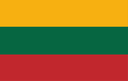
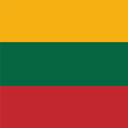
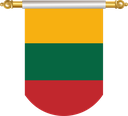
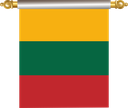
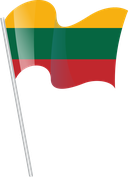
The Flag of Lithuania consists of three horizontal stripes of equal width.
- The top stripe is yellow
- The middle stripe is green
- The bottom stripe is red
The design is clean, balanced, and highly recognizable, with bright colors that symbolize national values and heritage.
Meaning of Colors and Symbols
Each color of the Flag of Lithuania carries strong symbolic meaning.
The yellow stripe represents sunlight, hope, and prosperity. It symbolizes optimism, warmth, and a bright future for the nation.
The green stripe represents nature, forests, and agriculture. It symbolizes growth, life, and the connection of the Lithuanian people to their land.
The red stripe represents courage, sacrifice, and the blood shed in the struggle for independence. It symbolizes strength and determination.
Together, the colors express hope grounded in nature and defended through sacrifice. The tricolor reflects unity, resilience, and national pride.
Historical Background of the Lithuania Flag
The Flag of Lithuania was first adopted on April 25, 1918, following Lithuania’s declaration of independence from the Russian Empire during World War I.
The tricolor design was chosen by Lithuanian leaders and intellectuals who wanted a flag distinct from imperial symbols and reflective of national culture.
During the Soviet occupation, the Lithuanian flag was banned and replaced with Soviet designs. It was restored as the national flag in 1989, symbolizing resistance and the path toward full independence in 1991.
Readers interested in this struggle can explore more context on the History of Lithuania page.
Cultural and National Significance
The Flag of Lithuania holds deep emotional importance for its people. It represents survival, resistance, and the successful restoration of independence.
The flag is prominently displayed during Independence Day, national commemorations, and cultural festivals. For Lithuanians, it symbolizes dignity, freedom, and pride in national heritage.
The yellow-green-red colors have become a strong visual identity used widely in sports, arts, and public life.
Relationship to Other Baltic Flags
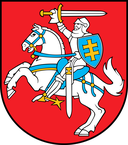
The Flag of Lithuania is part of the Baltic region but stands out from the flags of Latvia and Estonia, which use different color schemes and historical symbolism.
While Latvia emphasizes ancient heritage and Estonia reflects Nordic influence, Lithuania’s flag focuses on land, life, and sacrifice. Comparing Baltic flags highlights the distinct identities within the region.
Modern Use of the Flag of Lithuania
Today, the Flag of Lithuania is flown on government buildings, schools, public institutions, and national monuments across the country. It is also displayed at embassies, international organizations, and global sporting events representing Lithuania abroad.
The flag plays an important role in civic education, helping citizens understand national history, independence, and shared values. Its continued use reinforces Lithuania’s identity as a sovereign Baltic state.
Interesting Facts About the Flag of Lithuania
- It was first adopted in 1918.
- The colors represent sun, land, and sacrifice.
- It was banned during Soviet rule.
- It was restored before full independence.
- It symbolizes national revival.
Frequently Asked Questions
What do the colors of the Lithuania flag represent?
Yellow represents hope, green represents land, and red represents sacrifice.
When was the Flag of Lithuania adopted?
It was adopted in 1918 and restored in 1989.
Why was the Lithuania flag banned?
It was banned during Soviet occupation.
Is the Lithuania flag a tricolor?
Yes, it is a horizontal tricolor flag.
Where is the Lithuania flag commonly displayed?
It is flown on public buildings and during national events.