Design of the Flag of Morocco
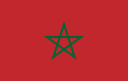
The flag of Morocco features a solid red background with a green five-pointed star (known as the Seal of Solomon) placed at the center. The star is interlaced, forming a continuous line rather than five separate points.
The design is simple yet highly symbolic. The red field provides a strong visual foundation, while the green star stands out clearly, creating a balanced and dignified appearance. The proportions of the flag are standardized to ensure consistency in official use.
Meaning of the Colors and Symbols
Each element of the Moroccan flag carries deep symbolic meaning. The red color has long been associated with the Moroccan monarchy and represents strength, courage, and sacrifice. Historically, red was the color used by ruling dynasties in Morocco and symbolizes national unity.
The green star is a symbol of Islam, the predominant religion of Morocco. Green is traditionally associated with Islam and represents hope, joy, and life.
The five points of the star are often interpreted as representing the Five Pillars of Islam: faith, prayer, charity, fasting, and pilgrimage. The interlaced design emphasizes unity, balance, and the connection between spiritual and earthly life.
Together, the red field and green star reflect Morocco’s religious values, royal heritage, and national identity.
Historical Background and Adoption
Morocco is one of the world’s oldest continuous monarchies, with a history spanning over a thousand years. Early Moroccan banners often featured solid red designs associated with ruling dynasties.
The current design of the Moroccan flag was officially adopted on November 17, 1915, during the reign of Sultan Yusef. The green pentagram was added to distinguish the national flag from other red flags and to reinforce Islamic symbolism.
The flag continued to be used after Morocco gained independence from French and Spanish rule in 1956, becoming a lasting symbol of sovereignty. More historical context can be explored on the history of Morocco page.
Cultural and National Significance
The Moroccan flag holds strong cultural and emotional significance. It is displayed during Independence Day, religious holidays, royal celebrations, and sporting events. Citizens often wave the flag during national victories and public gatherings.
Among North African flags, Morocco’s flag stands out due to its minimalist yet symbolic design. It is sometimes compared with the Flag of Algeria and the Flag of Tunisia, but its single-color field and central star make it unique.
The flag also plays an important role in reinforcing national unity among Morocco’s diverse population.
Official Use and Flag Etiquette
The flag of Morocco is flown at government buildings, schools, embassies, and public institutions. It is also prominently displayed during royal ceremonies and international diplomatic events.
Respectful handling of the flag is strongly encouraged. It should not touch the ground and must be displayed in a dignified manner. During national mourning or commemorative events, the flag may be flown at half-staff according to official protocol.
The Flag in Modern Morocco
In modern Morocco, the flag symbolizes continuity between tradition and progress. It represents the monarchy, Islamic heritage, and the country’s role in Africa and the Arab world.
The flag is commonly used in tourism branding, cultural festivals, and international sports competitions, reinforcing Morocco’s global identity while remaining rooted in history.
Design Strength and Recognition
The Moroccan flag’s simplicity is one of its greatest strengths. With only two colors and a single symbol, it achieves immediate recognition and strong symbolic clarity.
The interlaced star design ensures the flag remains visually distinct, even among other red-based flags. Its timeless design has remained unchanged for over a century, reflecting stability and national pride.
Questions About the Flag of Morocco
When was the flag of Morocco adopted?
The current flag was adopted on November 17, 1915.
What does the green star on the flag represent?
It represents Islam and is associated with the Five Pillars of Islam.
Why is the Moroccan flag red?
Red is linked to the monarchy and symbolizes strength and unity.
Is the Moroccan flag the same on both sides?
Yes, the design is identical on both sides.
Has the Moroccan flag ever changed?
The core red design is very old, but the green star was added in 1915.