Design of the Flag of Monaco
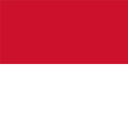
The flag of Monaco features two equal horizontal bands. The upper band is red, and the lower band is white. The design is intentionally simple and free of symbols or emblems.
The flag’s proportions are 4:5, which is relatively uncommon among national flags. Its clean layout allows for easy recognition and reflects a traditional European style rooted in heraldry rather than modern symbolism.
Due to its simplicity, the flag of Monaco is often confused with other red-and-white flags, but its proportions and historical context clearly distinguish it from similar designs.
Meaning of the Colors
Although the Monaco flag does not include official symbolism defined by law, the colors are historically linked to the Grimaldi family, which has ruled Monaco since the 13th century.
The red color represents strength, courage, and determination. It reflects the resilience of Monaco as a sovereign state that has maintained independence despite its small size and powerful neighbors.
The white color symbolizes peace, purity, and honesty. Together, red and white reflect balance between strength and peace, a theme consistent with Monaco’s political and diplomatic history.
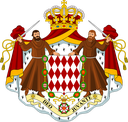
These colors also appear in the coat of arms of Monaco, reinforcing their importance as traditional national colors.
Historical Background and Adoption
Monaco’s flag has its roots in medieval heraldry. The red and white colors were long associated with the ruling Grimaldi dynasty and were used in banners and emblems for centuries.
The modern national flag was officially adopted on April 4, 1881, during the reign of Prince Charles III. This adoption helped standardize Monaco’s national symbols at a time when many European states were formalizing their flags.
Despite political changes across Europe, Monaco has retained its traditional flag without alteration, highlighting continuity and respect for heritage. More background can be explored on the history of Monaco page.
Cultural and National Significance
The Monaco flag is a strong symbol of national pride and sovereignty. It is displayed during national celebrations, royal events, and official ceremonies. The flag is especially prominent during National Day, which honors the reigning prince.
Among European flags, Monaco’s design is often compared with the Flag of Indonesia, which has the same colors but in reverse order. However, the two flags differ in proportions and historical origin.
The simplicity of the Monaco flag reflects the principality’s identity as a stable, traditional state with deep historical roots rather than revolutionary symbolism.
Official Use and Display
The flag of Monaco is flown at government buildings, public institutions, and royal residences. It is also displayed during international events and diplomatic occasions.
Monaco follows respectful flag practices, ensuring proper handling and display. The flag is often flown alongside other national flags during international meetings, where it represents Monaco as an independent sovereign state.
Simplicity and Global Recognition
One of the defining features of the Monaco flag is its minimalist design. With no emblem or text, it relies entirely on color and proportion to convey identity.
This simplicity ensures strong global recognition and timeless relevance. The flag’s design aligns with classic European heraldic traditions and avoids trends that may fade over time.
Despite Monaco’s small size, its flag is widely recognized due to its association with diplomacy, luxury, and long-standing independence.
Questions About the Flag of Monaco
When was the flag of Monaco officially adopted?
The flag was officially adopted on April 4, 1881.
Why does Monaco’s flag have only two colors?
The colors come from the historic Grimaldi family coat of arms.
Is Monaco’s flag similar to Indonesia’s flag?
Yes, but Monaco’s flag has different proportions and historical origins.
Does the Monaco flag include any symbols?
No, it uses only red and white horizontal bands.
Is the Monaco flag the same on both sides?
Yes, the design is identical on both sides.