Design of the Flag of the Netherlands
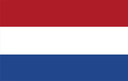
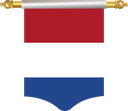
The flag of the Netherlands consists of three equal horizontal stripes. From top to bottom, the colors are red, white, and blue. The layout is clean and balanced, with no additional symbols or emblems.
The flag’s proportions are typically 2:3, and the colors are clearly defined to ensure consistency in official use. The simplicity of the design allows for easy recognition and has influenced many other national flags around the world.
Meaning of the Colors
While the Dutch flag does not have officially defined color meanings by law, the colors are traditionally linked to the country’s history and identity.
The red stripe symbolizes bravery, strength, and the people of the Netherlands. It is associated with determination and resilience, especially during periods of conflict and independence.
The white stripe represents peace, honesty, and unity. It reflects the Netherlands’ long tradition of diplomacy, tolerance, and balanced governance.
The blue stripe symbolizes loyalty, perseverance, and the sea. As a nation with a strong maritime history, blue reflects the importance of water, trade routes, and naval strength in shaping Dutch prosperity.
Together, these colors represent stability, cooperation, and national pride.
Historical Background and Adoption
The origins of the Dutch flag date back to the 16th century during the Eighty Years’ War, when the Netherlands fought for independence from Spanish rule. Early versions of the flag featured orange, white, and blue, known as the Prince’s Flag, in honor of William of Orange.
Over time, the orange stripe was gradually replaced with red, partly due to visibility at sea and evolving political symbolism. By the mid-17th century, the red-white-blue tricolor became widely accepted.
The flag was officially standardized on February 19, 1937, confirming red, white, and blue as the national colors. More historical context can be found on the history of the Netherlands page.
Cultural and National Significance
The Dutch flag holds strong cultural importance and is displayed during national holidays such as King’s Day, Liberation Day, and Remembrance events. It is also flown during royal celebrations and international sports competitions.
Among European flags, the Netherlands flag is especially influential. It directly inspired the Flag of France and, through it, many other tricolor flags worldwide. It is also visually similar to the Flag of Luxembourg, though the shades of color differ.
The flag represents Dutch values such as freedom, tolerance, and civic responsibility.
Official Use and Flag Etiquette
The flag of the Netherlands is flown at government buildings, schools, embassies, and public institutions. Citizens are encouraged to follow established guidelines for respectful display.
On certain days, the flag may be flown with an orange pennant, symbolizing the Dutch royal family. During periods of national mourning, the flag may be flown at half-mast according to official instructions.
The flag should always be displayed cleanly and respectfully, reflecting its importance as a national symbol.
The Flag in Modern Netherlands
In modern Dutch society, the flag is widely used during celebrations, sporting events, and international representation. It is also commonly displayed by citizens during national holidays.
Despite its simple appearance, the flag remains deeply connected to Dutch identity and history. Its continued use reflects stability, continuity, and pride in national heritage.
The flag’s design has remained unchanged for centuries, reinforcing its role as a timeless national symbol.
Design Simplicity and Global Influence
The Netherlands flag is praised for its clarity and influence. Its horizontal tricolor design set a precedent for many later national flags.
The balance of color and proportion makes it highly recognizable and adaptable across different contexts, from official ceremonies to everyday public display.
Its global influence underscores the Netherlands’ historical role in shaping modern nation-states.
Questions About the Flag of the Netherlands
When was the flag of the Netherlands officially standardized?
It was officially standardized on February 19, 1937.
What colors are on the Dutch flag?
Red, white, and blue in horizontal stripes.
Why did orange change to red on the flag?
Red became more visible and widely accepted over time, especially at sea.
Is the Netherlands flag similar to Luxembourg’s flag?
Yes, but Luxembourg’s flag uses lighter shades of blue and red.
Is the Dutch flag the same on both sides?
Yes, the design appears on both sides of the flag.