Design of the Flag of Liechtenstein
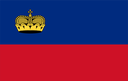
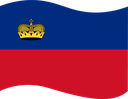
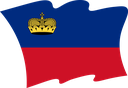
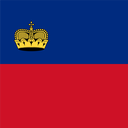
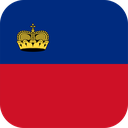
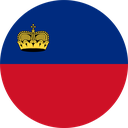
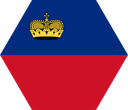
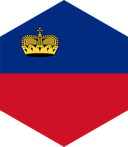
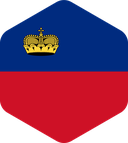
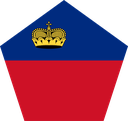
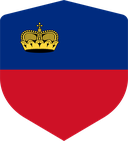
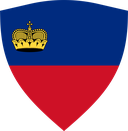
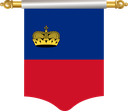
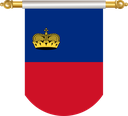
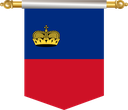
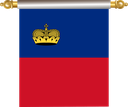
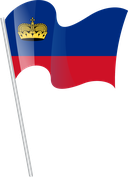
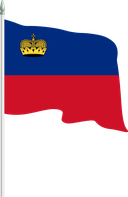
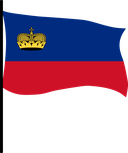
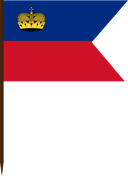
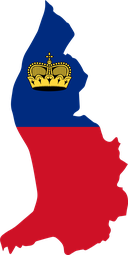
The Flag of Liechtenstein consists of two horizontal stripes of equal width.
- The top stripe is blue
- The bottom stripe is red
In the upper hoist corner, placed on the blue stripe, is a golden princely crown.
The crown is clearly detailed and positioned to emphasize the country’s monarchical system.
Meaning of Colors and Symbols
Each element of the Flag of Liechtenstein carries clear symbolic meaning.
The blue stripe represents the sky and symbolizes peace, tranquility, and faith. It is also associated with the alpine skies that surround the country.
The red stripe represents warmth, community, and the fires traditionally lit in homes during cold alpine nights. It symbolizes unity and the shared life of the people.
The golden crown represents the constitutional monarchy of Liechtenstein. It symbolizes sovereignty, authority, and national unity under the ruling prince.
Gold traditionally represents value, stability, and continuity, reinforcing the country’s long-standing political structure.
Together, these elements express harmony between the people, the land, and the monarchy.
Historical Background of the Liechtenstein Flag
The colors blue and red were first associated with Liechtenstein in the 18th century, derived from the livery colors of the princely household.
The flag officially adopted the blue and red design in 1921. However, the crown was added later in 1937 after Liechtenstein discovered that its flag was identical to that of Haiti when both appeared at the 1936 Olympic Games.
Adding the crown distinguished Liechtenstein’s flag and emphasized its monarchical identity.
Readers interested in this evolution can explore more context on the History of Liechtenstein page.
Cultural and National Significance
The Flag of Liechtenstein holds strong cultural significance despite the country’s small size. It represents independence, stability, and pride in a unique political system.
The flag is prominently displayed during National Day celebrations, official ceremonies, and cultural events. For citizens, it symbolizes continuity, unity, and respect for tradition.
The crown reinforces the close relationship between the people and the ruling family.
Relationship to Other European Flags
The Flag of Liechtenstein is visually similar to the flag of Haiti, but the crown distinguishes it clearly.
Unlike many European flags that represent republics, Liechtenstein’s flag openly displays a symbol of monarchy. This makes it unique among modern European national flags.
Comparing European flags highlights Liechtenstein’s emphasis on tradition and sovereign continuity.
Modern Use of the Flag of Liechtenstein
Today, the Flag of Liechtenstein is flown on government buildings, schools, public institutions, and national landmarks throughout the country. It is also displayed at embassies, international organizations, and global sporting events representing Liechtenstein abroad.
The flag plays an important role in civic education, helping citizens understand national values, governance, and history. Its continued use reinforces Liechtenstein’s identity as a stable and sovereign principality.
Interesting Facts About the Flag of Liechtenstein
- It was officially adopted in 1921.
- The crown was added in 1937.
- It was once identical to Haiti’s flag.
- The crown represents monarchy.
- Blue and red come from princely colors.
Frequently Asked Questions
What does the crown on the Liechtenstein flag represent?
It represents the monarchy and national unity.
When was the Flag of Liechtenstein adopted?
The design was adopted in 1921, with the crown added in 1937.
Why was the crown added to the flag?
To distinguish it from Haiti’s flag.
What do the blue and red colors symbolize?
Blue represents peace and sky, red represents community and warmth.
Where is the Liechtenstein flag commonly displayed?
It is flown on public buildings and during national events.