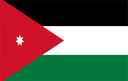
Design of the Flag of Arab League
The Flag of Arab League features a green field with a white circular emblem centered on the flag.
The emblem consists of:
- A chain encircling the design
- The words “League of Arab States” written in Arabic
- A wreath of olive branches surrounding the text
The design is symmetrical and formal, reflecting the diplomatic and political nature of the organization.
Meaning of Colors and Symbols
Each element of the Flag of Arab League carries symbolic meaning connected to Arab identity and cooperation.
The green background is traditionally associated with Arab culture and Islamic heritage. It represents prosperity, unity, and shared historical roots.
The white circular emblem symbolizes peace, clarity, and equality among member states.
The chain represents solidarity and the strong bonds connecting Arab nations.
The olive branches symbolize peace and cooperation.
The Arabic inscription emphasizes shared language, culture, and heritage.
Together, these elements express unity, diplomacy, and cultural identity.
Historical Background of the Arab League Flag
The Arab League, officially known as Arab League, was established in 1945 to promote cooperation among Arab states.
The flag and emblem were adopted to represent political coordination, cultural unity, and collective interests. The organization was created shortly after World War II to strengthen regional dialogue and independence.
Over time, the Arab League has played a role in economic cooperation, political discussions, and regional conflict mediation.
Readers interested in Middle Eastern diplomacy can explore more context on the History of Arab League page.
Political and Regional Significance
The Flag of Arab League symbolizes cooperation on political, economic, and cultural issues across the Arab world.
It is displayed during summits, ministerial meetings, and diplomatic gatherings. When shown, the flag represents collective dialogue and shared regional interests rather than individual national positions.
The flag is often seen at the Arab League headquarters and at major regional conferences.
Relationship to Member States’ National Flags
The Flag of Arab League complements national flags rather than replacing them.
At official events, it is displayed alongside the flags of member countries, reinforcing unity while respecting sovereignty. Each member state maintains its own national identity and political system.
Comparing regional and national flags highlights how cooperation can exist alongside independence.
Modern Use of the Flag of Arab League
Today, the Flag of Arab League is used at:
- Arab League headquarters and offices
- Regional summits and diplomatic meetings
- Official documents and publications
- Cultural and educational events
The flag also appears in media coverage of regional conferences and joint declarations.
Its continued use reinforces shared identity and cooperation across Arab nations.
Interesting Facts About the Flag of Arab League
- It was introduced after the organization’s founding in 1945
- Green reflects Arab heritage
- The chain symbolizes unity
- Olive branches represent peace
- It includes Arabic script
Questions About the Flag of Arab League
What does the Flag of Arab League represent?
It represents unity, cooperation, and shared Arab identity.
When was the Arab League established?
It was established in 1945.
Why is the flag green?
Green is associated with Arab culture and heritage.
What does the chain on the emblem symbolize?
It symbolizes solidarity among member states.
Where is the flag commonly displayed?
At summits, headquarters, and official meetings.