Design of the Flag of Lebanon
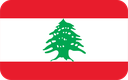
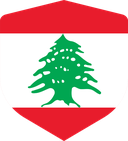
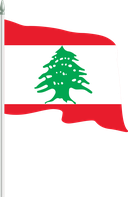
The Flag of Lebanon consists of three horizontal stripes.
- The top stripe is red
- The middle stripe is white, double the height of the red stripes
- The bottom stripe is red
At the center of the white stripe stands a green cedar tree, upright and symmetrical. The proportions and placement are carefully defined to ensure balance and visibility.
Meaning of Colors and Symbols
Each element of the Flag of Lebanon carries strong symbolic meaning.
The red stripes represent the blood shed by those who fought to defend Lebanon and preserve its independence. They symbolize sacrifice, courage, and resistance.
The white stripe represents peace, purity, and the snow-capped mountains of Lebanon. It also symbolizes hope and unity among the people.
The green cedar tree is the most important symbol on the flag. The cedar has been associated with Lebanon for thousands of years and symbolizes strength, eternity, and resilience. Cedars are mentioned in ancient texts and are deeply rooted in Lebanese identity.
The evergreen nature of the cedar represents continuity and survival through hardship.
Historical Background of the Lebanon Flag
The cedar tree has symbolized Lebanon since ancient times, long before the modern state existed. Phoenician civilization, which flourished in the region, valued the cedar for shipbuilding and trade.
The modern Flag of Lebanon was officially adopted on December 7, 1943, during Lebanon’s struggle for independence from French mandate rule. The design was chosen to represent unity among Lebanon’s diverse religious and cultural communities.
Lebanon gained full independence in 1943, and the flag became a symbol of sovereignty and national identity. Readers interested in this period can explore more context on the History of Lebanon page.
Cultural and National Significance
The Flag of Lebanon holds deep emotional and cultural importance. It represents unity among Lebanon’s many religious and ethnic communities, including Christians, Muslims, and Druze.
The flag is prominently displayed during Independence Day, national commemorations, and public events. For Lebanese citizens and the diaspora, it symbolizes homeland, heritage, and enduring identity.
The cedar tree, in particular, is a unifying symbol that transcends political and religious divisions.
Relationship to Other Middle Eastern Flags
The Flag of Lebanon stands out among Middle Eastern flags due to its use of a natural symbol rather than stars, crescents, or inscriptions.
While many regional flags emphasize Pan-Arab colors or Islamic symbolism, Lebanon’s flag focuses on historical continuity and shared cultural heritage. This makes it visually and symbolically unique.
Modern Use of the Flag of Lebanon
Today, the Flag of Lebanon is flown on government buildings, schools, public institutions, and national landmarks across the country. It is also displayed at embassies, international organizations, and global events representing Lebanon abroad.
The flag plays an important role in education and civic identity, helping citizens understand national history, unity, and resilience. Its continued use reinforces Lebanon’s identity as a nation rooted in history yet facing the future.
Interesting Facts About the Flag of Lebanon
- The cedar is an ancient national symbol.
- The white stripe is wider than the red stripes.
- The flag was adopted in 1943.
- The cedar appears in ancient texts.
- It symbolizes unity and endurance.
Frequently Asked Questions
What does the cedar tree on the Lebanon flag represent?
It represents strength, eternity, and resilience.
When was the Flag of Lebanon adopted?
It was adopted on December 7, 1943.
Why does the Lebanon flag have red stripes?
They represent sacrifice and the blood shed for independence.
Is the cedar a religious symbol?
It is a cultural and historical symbol, not limited to one religion.
Where is the Lebanon flag commonly displayed?
It is flown on public buildings and during national events.