Design of the Flag of United Nations
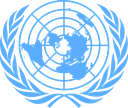
The Flag of United Nations features a light blue field with a white emblem placed at the center.
The emblem consists of:
- A world map shown from a polar perspective
- Two olive branches surrounding the map
The design is symmetrical and intentionally neutral, avoiding symbols tied to any single nation or culture.
The flag’s proportions and emblem placement are standardized to ensure consistency across all official uses.
Meaning of Colors and Symbols
Each element of the Flag of United Nations carries clear symbolic meaning.
The light blue background represents peace, calm, and neutrality. It was deliberately chosen as the opposite of red, a color often associated with war.
The world map symbolizes all nations and peoples of the world without political boundaries. It emphasizes global inclusion and equality among member states.
The olive branches are a traditional symbol of peace, representing the organization’s core mission to prevent conflict and promote peaceful solutions.
The white color of the emblem represents purity, hope, and transparency in international cooperation.
Together, these elements express peace, unity, and shared global responsibility.
Historical Background of the United Nations Flag
The Flag of United Nations was officially adopted in 1946, shortly after the organization was established following World War II.
The flag was created during the first sessions of the United Nations, which was founded in 1945 to prevent future global conflicts and encourage international cooperation.
The original emblem design was developed for the San Francisco Conference, where the UN Charter was signed. It was later refined and formally adopted as the organization’s official symbol.
Readers interested in post-war diplomacy can explore more context on the History of the United Nations page.
Political and Diplomatic Significance
The Flag of United Nations holds strong political and diplomatic importance worldwide.
It represents neutrality and is often used in conflict zones to indicate peacekeeping missions, humanitarian aid, and diplomatic presence. When flown, the flag signals international authority rather than national control.
UN peacekeepers, humanitarian workers, and diplomatic missions operate under this flag, which provides legal and symbolic protection under international law.
Relationship to National Flags
The Flag of United Nations is distinct from national flags in purpose and meaning.
While national flags represent sovereignty, the UN flag represents collective international action. It is commonly displayed alongside national flags at UN headquarters, international conferences, and diplomatic events.
Comparing international and national flags highlights how the UN flag emphasizes cooperation rather than nationalism.
Modern Use of the Flag of United Nations
Today, the Flag of United Nations is flown at:
- UN headquarters and regional offices
- Peacekeeping missions worldwide
- International conferences and summits
- Humanitarian aid operations
The flag is also used in educational materials, official documents, and global awareness campaigns. Its presence reinforces the UN’s role in maintaining peace, supporting development, and protecting human rights.
The flag remains a globally recognized symbol of international diplomacy.
Interesting Facts About the Flag of United Nations
- It was adopted in 1946
- The map uses a polar projection
- Blue was chosen to symbolize peace
- Olive branches represent harmony
- It is protected under international law
Questions About the Flag of United Nations
What does the Flag of United Nations represent?
It represents peace, global cooperation, and international unity.
When was the Flag of United Nations adopted?
It was officially adopted in 1946.
Why is the UN flag blue?
Blue symbolizes peace and neutrality.
What do the olive branches mean?
They represent peace and harmony.
Where is the UN flag commonly displayed?
At UN offices, peacekeeping missions, and international events