Design of the Flag of Eswatini
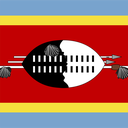
The Flag of Eswatini features three horizontal bands with a prominent central emblem. The top and bottom bands are blue, while the middle band is red, bordered by thin yellow stripes on both sides.
At the center of the red band is a traditional black and white Nguni shield, placed horizontally, along with two spears and a staff decorated with tassels. The design is symmetrical and bold, making the flag instantly recognizable.
Meaning of Colors and Symbols
Every element of the Flag of Eswatini carries deep cultural and historical meaning.
The blue bands represent peace and stability. They symbolize calm relations within the country and with neighboring nations.
The red band represents past struggles and the strength of the Swazi people in defending their land. It reflects courage and sacrifice in times of conflict.
The yellow stripes symbolize the country’s natural resources and economic wealth, particularly minerals and fertile land.
The Nguni shield represents protection of the nation against enemies, while its black and white colors symbolize unity and peaceful coexistence between different ethnic groups.
The spears and staff represent readiness to defend the country while also promoting peace rather than aggression. Together, these symbols emphasize strength balanced with harmony.
Historical Background of the Eswatini Flag
The Flag of Eswatini was officially adopted on October 6, 1968, the day the country gained independence from British rule. The design was inspired by a traditional military flag given to the Swazi regiment by King Sobhuza II earlier in the 20th century.
Although the country officially changed its name from Swaziland to Eswatini in 2018, the flag remained unchanged. It continues to represent national identity and continuity. Readers interested in this transformation can explore more context on the History of Eswatini page.
Cultural and National Significance
The Flag of Eswatini holds deep cultural importance and is closely tied to the monarchy and traditional customs. It reflects respect for ancestral values, unity, and loyalty to the king.
The flag is prominently displayed during Independence Day celebrations, traditional ceremonies, and national festivals. For citizens, it symbolizes pride in heritage, sovereignty, and cultural preservation.
Relationship to Other African Flags
Unlike many African flags that use Pan-African colors and abstract symbolism, the Flag of Eswatini focuses on traditional weapons and royal authority. This sets it apart from most modern African national flags.
Compared to neighboring countries, Eswatini’s flag emphasizes monarchy and tradition rather than political ideology. This unique approach highlights the country’s distinct identity in Southern Africa.
Modern Use of the Flag of Eswatini
Today, the Flag of Eswatini is flown on government buildings, royal residences, schools, and public spaces throughout the country. It is also displayed at embassies and international events representing Eswatini abroad.
The flag plays an important role in education and civic life, helping citizens understand national values, cultural heritage, and respect for tradition. Its continued use reinforces Eswatini’s identity as a sovereign kingdom.
Interesting Facts About the Flag of Eswatini
- The flag was adopted in 1968.
- It features a traditional Nguni shield.
- The design reflects royal heritage.
- It remained unchanged after the country’s name change.
- It is one of Africa’s most distinctive flags.
Frequently Asked Questions
What does the shield on the Eswatini flag represent?
It represents protection of the nation and unity among the people.
Why does the flag include spears?
They symbolize readiness to defend the country while promoting peace.
When was the Flag of Eswatini adopted?
It was adopted on October 6, 1968.
Did the flag change when Swaziland became Eswatini?
No, the flag remained the same.
Where is the Eswatini flag commonly displayed?
It is flown on public buildings and during national events.