Design of the Flag of Aruba
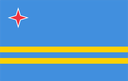
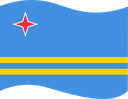
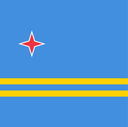
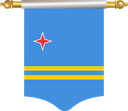
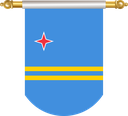
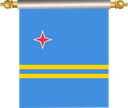
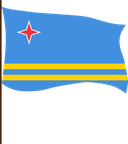
The flag of Aruba features a light blue field with two narrow horizontal yellow stripes near the bottom. In the upper hoist-side corner appears a red four-pointed star, outlined in white.
The blue background dominates the design, giving the flag a calm and open appearance. The two yellow stripes run parallel to each other and add balance to the lower portion of the flag. The red star stands out clearly, serving as the central focal point. This simple yet distinctive layout makes the Aruba flag easily recognizable among Caribbean and world flags.
Meaning of Colors and Symbols
Each element of the Aruba flag has specific symbolic meaning. The blue color represents the surrounding Caribbean Sea and the clear sky above the island. It also symbolizes peace, hope, and freedom, reflecting Aruba’s relaxed and open character.
The yellow stripes symbolize the island’s natural wealth, sunshine, and prosperity. Yellow is often associated with warmth and optimism, qualities closely linked to Aruba’s climate and tourism-driven economy.
The red star represents Aruba itself. Its four points symbolize the four main directions, suggesting unity among people from different backgrounds. The white outline around the star represents peace and clarity, emphasizing harmony within the island’s multicultural society.
Historical Background of the Aruba Flag
The flag of Aruba was officially adopted on March 18, 1976, a date now celebrated annually as Flag Day in Aruba. The design was selected through a public competition, allowing citizens to contribute ideas and symbolism that reflected the island’s identity.
At the time of adoption, Aruba was seeking to strengthen its distinct cultural identity within the Kingdom of the Netherlands. The flag became a powerful visual expression of this goal. Aruba later achieved a separate autonomous status in 1986, further reinforcing the importance of national symbols. Readers interested in this political transition can explore more details on the History of Aruba page.
Cultural and National Significance
The flag of Aruba holds strong cultural importance for the island’s residents. It is a symbol of unity, pride, and self-expression. The flag is widely displayed during national celebrations, especially on Flag Day, as well as during cultural festivals and public events.
For many Arubans, the flag represents harmony among diverse communities living on the island. It reflects shared values of peace, cooperation, and respect. The design’s simplicity makes it a popular symbol in education, tourism, and cultural promotion.
Relationship to Other Caribbean Flags
The Aruba flag differs noticeably from many Caribbean flags, which often include coats of arms or colonial symbols. Aruba’s design avoids complex emblems, focusing instead on color and shape to express identity.
While Aruba maintains constitutional ties to the Netherlands, its flag does not include the Dutch tricolor or royal symbols. This sets it apart from some other Caribbean territories and highlights Aruba’s desire for a distinct visual identity within the region.
Modern Use of the Flag of Aruba
Today, the flag of Aruba is flown on government buildings, schools, and public spaces across the island. It is also displayed alongside the flag of the Kingdom of the Netherlands during official ceremonies and international events.
The flag is commonly used in tourism marketing, souvenirs, and cultural branding, helping promote Aruba’s identity worldwide. Its continued use reinforces national pride and recognition of Aruba as a self-governing Caribbean territory.
Interesting Facts About the Flag of Aruba
- The flag was adopted in 1976.
- March 18 is celebrated as Aruba’s Flag Day.
- The red star has four points symbolizing unity.
- Blue represents the sea and sky.
- The design was chosen through a public competition.
Frequently Asked Questions
What does the red star on the Aruba flag represent?
It represents the island of Aruba and unity among its people.
Why does the Aruba flag have yellow stripes?
The yellow stripes symbolize sunshine, prosperity, and natural wealth.
When was the flag of Aruba adopted?
The flag was officially adopted on March 18, 1976.
Is Aruba an independent country?
Aruba is a self-governing country within the Kingdom of the Netherlands.
Where is the Aruba flag commonly displayed?
It is flown on government buildings, schools, and during national celebrations.