Design of the Flag of Antarctica
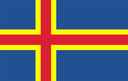
The most commonly used flag of Antarctica features a white silhouette map of the Antarctic continent placed on a light blue background. The map shows the continent as viewed from the South Pole, including its surrounding ice-covered landmass.
The light blue field represents the cold southern oceans and icy environment that define Antarctica. The white continent shape stands out clearly, symbolizing ice, snow, and neutrality. Unlike most flags, there are no borders, emblems, or text, reinforcing the idea that Antarctica belongs to no single nation.
Meaning of Colors and Symbols
The symbolism of the Antarctica flag is simple and intentional. The white map silhouette represents peace, neutrality, and the frozen landscape of the continent. White is also associated with scientific transparency and shared knowledge.
The blue background symbolizes the surrounding Southern Ocean and the global cooperation that exists among nations conducting research there. Blue is widely associated with peace, stability, and international unity. Together, the colors emphasize that Antarctica is a place reserved for peaceful purposes and environmental protection.
Historical Background of the Antarctica Flag
There is no officially adopted flag of Antarctica because the continent is governed by the Antarctic Treaty System, which came into force in 1961. The treaty establishes Antarctica as a zone dedicated to scientific research and bans military activity.
The most widely recognized flag design was created in the late 20th century as a neutral symbol to represent the continent in educational and scientific contexts. It has since been used by researchers, organizations, and institutions to visually represent Antarctica without implying ownership. Readers interested in the political framework behind this arrangement can explore the History of Antarctica page for deeper background.
International and Scientific Significance
The flag of Antarctica symbolizes international cooperation unlike any other region on Earth. Dozens of countries operate research stations on the continent, working together under shared agreements. The flag represents unity in science, environmental protection, and peaceful collaboration.
Unlike national flags, the Antarctica flag is not flown to assert authority. Instead, it is often used at research stations, conferences, and educational events to represent the continent as a whole. This makes it a powerful symbol of global responsibility.
Relationship to Other Flags
The Antarctica flag is different from all national and territorial flags because it does not represent sovereignty. Instead, it complements the flags of countries participating in Antarctic research. In many settings, it is displayed alongside national flags to symbolize cooperation rather than competition.
Visitors exploring world flags may find Antarctica’s design especially notable because it avoids traditional national colors or political symbols. Its neutral appearance reinforces the continent’s special legal status.
Modern Use of the Flag of Antarctica
Today, the flag of Antarctica is commonly used in scientific publications, educational resources, and environmental campaigns. It is also displayed at Antarctic research stations and international conferences related to climate science and polar studies.
The flag has become an important visual symbol in discussions about climate change, conservation, and global cooperation. Its continued informal use reflects growing awareness of Antarctica’s importance to the Earth’s climate system.
Interesting Facts About the Flag of Antarctica
- Antarctica has no official national flag.
- The most common design features a white map on a blue background.
- The flag represents neutrality and peace.
- It is used mainly in scientific and educational contexts.
- The design avoids national or political symbols.
Frequently Asked Questions
Does Antarctica have an official flag?
No, Antarctica does not have an officially recognized flag.
What does the Antarctica flag represent?
It represents neutrality, peace, and international scientific cooperation.
Why is the Antarctica flag blue and white?
Blue represents the ocean and peace, while white symbolizes ice and neutrality.
Who uses the flag of Antarctica?
It is used by researchers, educators, and scientific organizations.
Is the Antarctica flag a national symbol?
No, it is an informal symbol rather than a national flag.