Design of the Flag of Rapa Nui
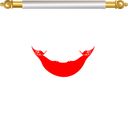
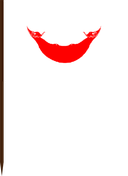
The flag of Rapa Nui features a white field with a bold red symbol placed at the center. The symbol is known as the Reimiro, a traditional crescent-shaped pectoral ornament worn by chiefs and people of high status in ancient Rapa Nui society.
The design is minimal and symmetrical, focusing entirely on the cultural emblem rather than text, borders, or additional imagery. The contrast between the white background and red symbol ensures strong visibility and easy recognition.
Although not an official national flag under Chilean law, the flag is widely recognized as the cultural flag of Rapa Nui.
Meaning of the Colors and Symbol
Every element of the Rapa Nui flag carries deep cultural meaning.
The white background symbolizes purity, peace, and spiritual balance. It reflects the connection between the people, the land, and ancestral traditions.
The red color represents life force, power, and ancestral energy. In Polynesian culture, red is often associated with sacred authority, strength, and mana (spiritual power).
The Reimiro symbol is the most important element of the flag. Traditionally carved from wood or whale bone, the reimiro was worn by chiefs and symbolized authority, leadership, and protection. Its crescent shape is sometimes associated with the ocean, voyaging heritage, and the spiritual link between the island and the wider Polynesian world.
Together, these elements express identity, continuity, and respect for ancestors.
Cultural Origins and Historical Background
Rapa Nui was settled by Polynesian navigators more than a thousand years ago. Over centuries, a unique culture developed, best known for the moai statues, complex social structures, and rich oral traditions.
In 1888, Rapa Nui was annexed by Chile, becoming part of the Chilean state. Despite this political status, the Rapa Nui people have preserved their cultural identity, language, and traditions.
The Rapa Nui flag emerged in the 20th century as a symbol of cultural revival and self-identification rather than political separation. It is commonly used during cultural festivals, protests, and heritage events. More background can be found on the history of Rapa Nui (Easter Island) page.
Relationship with the Flag of Chile
As a territory of Chile, the Flag of Chile is the official national flag used for government and international representation. However, the Rapa Nui flag exists alongside it as a cultural and Indigenous symbol.
Both flags are often displayed together during public events, reflecting the island’s political status within Chile and its distinct Polynesian identity.
This dual-flag presence highlights Rapa Nui’s unique situation: administratively Chilean, culturally Polynesian.
Cultural and Social Significance
The Rapa Nui flag holds deep importance for the island’s inhabitants. It represents resistance to cultural loss, pride in ancestry, and the desire to preserve traditions in a modern world.
The flag is widely used during:
- Cultural festivals and dance performances
- Community gatherings
- Indigenous rights demonstrations
- Tourism and cultural education
For the Rapa Nui people, the flag is not merely decorative; it is a living symbol of identity and belonging.
Official Use and Recognition
While the Rapa Nui flag is not officially recognized as a national or territorial flag, it is widely accepted and respected locally.
It is commonly flown at homes, cultural centers, and local events. There are no strict regulations governing its use, allowing free expression of cultural identity.
The flag’s use is peaceful and symbolic, focused on heritage rather than political authority.
The Flag in Modern Rapa Nui
In modern times, the Rapa Nui flag has become a widely recognized emblem of Easter Island around the world. It appears in documentaries, cultural exhibitions, and international Indigenous forums.
The flag plays an important role in educating visitors about the island’s unique identity beyond its moai statues.
It also serves as a visual reminder of the importance of cultural preservation and respect for Indigenous communities.
Design Strength and Recognition
The Rapa Nui flag is praised for its simplicity and cultural depth. With just one symbol and two colors, it communicates identity clearly and powerfully.
Its minimalist design aligns with many traditional Polynesian symbols, making it visually authentic and timeless.
The Reimiro symbol ensures immediate association with Rapa Nui culture and heritage.
Questions About the Flag of Rapa Nui
Is the Rapa Nui flag an official national flag?
No, it is a cultural flag, not an official national or territorial flag.
What does the Reimiro symbol represent?
It represents leadership, protection, and ancestral authority.
Why is the background white?
White symbolizes peace, purity, and spiritual balance.
Is Rapa Nui independent from Chile?
No, Rapa Nui is a territory of Chile.
Can the Rapa Nui flag be flown publicly?
Yes, it is widely used in cultural and community contexts.