History Behind the Great Albania Flag
The history of the great Albania Flag may also dates back numerous eras. The Flag double headed eagle symbol is connected with Gjergj Kastrioti, Skanderbeg, a famous Albanian military leader from the 15th century, who used this symbol during struggle movements.
The modern Albanian National flag was officially approved after Albania declared independence on November 28, 1912. Since then, it also remained a symbol of freedom, unity, and authority.
The Albania flag old designs changed during some different political eras, but the double headed eagle flag remained a strong symbol of Albanian country identity. Many connections find in national symbols of countries such as Kosovo, Greece, and Italy.
Albanian Flag Meaning: Colors and Symbol
The Albanian flag meaning is also connected with these colors and central sign. The red background also symbolizes the bravery, sacrifice, and the purpose of Albanian people during history. It also show prosperity
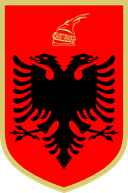
The common question is what is the symbol on the Albanian flag? The answer is the black double headed eagle. It also represents strength, independence, protection, and unity. The two heads also facing opposite directions also symbolize awareness and readiness to stunned these challenges.
What does Albanian National Flag Look?
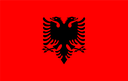
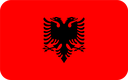
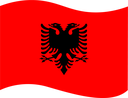
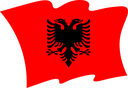
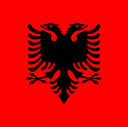
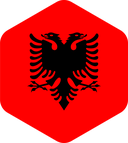
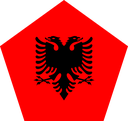
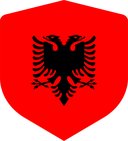
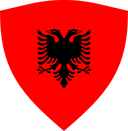
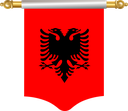
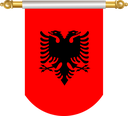
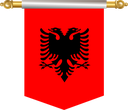
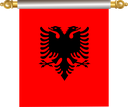
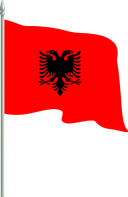
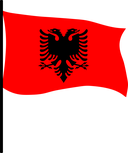
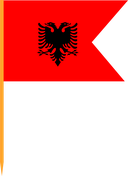
The Albanian flag has a red rectangular background with a black double headed eagle in its center. Its simple design also makes it different from many Neighbor and other European flags.
People may searching for pictures of the Albanian flag regularly recognize its courageous appearance instantly. The flag is displayed in presenting national celebrations, cultural events, and international occurrences.
Albania Flag Map and National Identity
The Albania flag map is commonly used in educational institutes or materials and travel possessions to represent Albania’s location in the Balkan constituency. The country has a rich history also influenced by different empires.
The flag also represents more than layout. It reflects also Albania’s language, old traditions, and national unity. International organizations such as the United Nations also recognize Albania as an independent country with its own national symbols and its independency.
Albanian Flag Day Celebration & Events
Albanian Flag Day is celebrated on every year on 28 November. This day has marks Albania’s affirmation of independence in 1912 and it is one of the country’s most important national celebrations.
During this event, people of country may display the great Albania flag in own homes, schools, and institutes or public places. The celebration honors the Albania’s history and highlights the country independence and unity.
Questions for Albania Country Flag
Which main symbol highlight on the Albanian National flag?
The main symbol on the Albanian country flag is a black double headed eagle. It also represents country power, its freedom, union, and Albania’s historical legacy.
How old is Republic of Albanian flag?
The current Albanian flag was officially implemented in 1912, while the double headed eagle symbol has been related with Albanian history for many eras.
What bird is show on the Albanian flag?
The bird on the Albanian flag is a double-headed eagle, which represents national strength, country protection, and the historical personality of Albania peoples.
What does Albania's flag looks?
Albania’s country national flag has a bright red background, with a black double headed eagle placed in the center of the flag, also creating a simple and powerful design.
What does the Albanian flag represent?
The Albanian flag represents independence, courage, unity, national pride, and the historical struggles and achievements of the Albanian people.