Design of the Flag of Romania
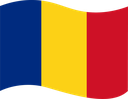
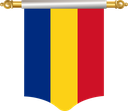
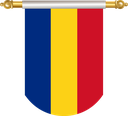
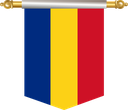
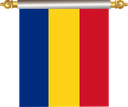
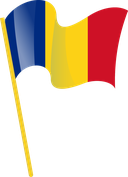
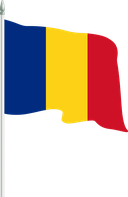
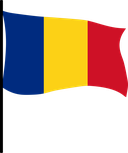
The flag of Romania consists of three vertical stripes of equal width. From the hoist side to the fly side, the colors are:
The design is clean and symmetrical, with no emblem or text in its civil and national form. The simplicity of the layout ensures easy recognition and reproduction.
Romania’s flag shares a similar structure with several European tricolors, but its color meanings and historical background are uniquely Romanian.
Meaning of the Colors
Each color on the Romanian flag carries deep historical and symbolic meaning.
The blue stripe represents freedom, loyalty, and the sky. It is also associated with justice and perseverance.
The yellow stripe symbolizes prosperity, agriculture, and natural wealth. It reflects Romania’s fertile lands and hope for national growth.
The red stripe represents bravery, sacrifice, and the blood shed by those who fought for independence and unity.
Together, these colors express the core values of the Romanian nation: liberty, prosperity, and courage.
Historical Origins of the Romanian Flag
The origins of Romania’s tricolor date back to the historical regions of Wallachia, Moldavia, and Transylvania. Variations of blue, yellow, and red appeared in local banners and coats of arms as early as the 18th century.
The tricolor gained national significance during the Revolutions of 1848, when it became a symbol of unity and resistance against foreign domination.
The flag was officially adopted in 1859, following the unification of Wallachia and Moldavia under a single ruler. Since then, the tricolor has remained a central national symbol.
More historical background can be found on the history of Romania page.
Changes During the Communist Period
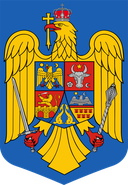
After World War II, Romania became a socialist state under communist rule. During this period, the flag was modified to include the national coat of arms in the center of the yellow stripe.
This version remained in use until 1989, when the Romanian Revolution led to the fall of the communist regime.
During the revolution, protesters famously cut the emblem out of the flag, creating a symbol of resistance. After the revolution, the original plain tricolor was officially restored.
Cultural and National Significance
The Romanian flag holds strong emotional and cultural significance. It is proudly displayed during National Day (December 1), public ceremonies, and cultural events.
The flag represents unity among Romania’s diverse regions and communities. It is also widely used by Romanian communities abroad as a symbol of heritage and connection to homeland.
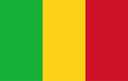
Among European flags, Romania’s design is often compared with the Flag of Chad, though the two have different historical meanings and contexts.
Official Use and Flag Etiquette
The flag of Romania is flown at government buildings, schools, embassies, and public institutions. It is also displayed during international events and sporting competitions.
Respectful handling of the flag is encouraged. It should be kept clean, displayed properly, and treated as a symbol of national dignity.
On official occasions, specific protocols guide how and when the flag should be raised or lowered.
The Flag in Modern Romania
In modern Romania, the flag symbolizes democracy, independence, and European integration. It appears in public life, education, tourism, and diplomacy.
The restored tricolor continues to remind citizens of past struggles and future aspirations.
Its consistent design reinforces national continuity despite political and social changes.
Design Strength and Recognition
The Romanian flag is admired for its simplicity and strong symbolism. The vertical tricolor design ensures clarity and timeless appeal.
Its colors create a bold visual identity that is easily recognizable worldwide.
The flag’s endurance across centuries demonstrates the lasting power of simple national symbols.
Questions About the Flag of Romania
When was the flag of Romania officially adopted?
The tricolor was officially adopted in 1859.
What do the colors of the Romanian flag represent?
They represent freedom, prosperity, and bravery.
Did Romania’s flag change during communism?
Yes, a coat of arms was added from 1948 to 1989.
Why is Romania’s flag similar to Chad’s?
They share similar colors but have different histories.
Is the Romania flag the same on both sides?
Yes, the design appears on both sides of the flag.