Design of the Flag of Liberia
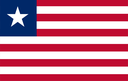
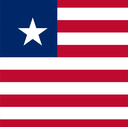
The Flag of Liberia features eleven horizontal stripes alternating between red and white.
In the upper hoist corner is a blue square canton containing a single white five-pointed star. The layout is balanced and immediately recognizable, with strong contrast between the stripes and the canton.
The number of stripes and the lone star give the flag a distinct identity while maintaining a structured, formal appearance.
Meaning of Colors and Symbols
Each element of the Flag of Liberia carries specific symbolic meaning.
The red stripes represent courage, valor, and the blood shed in the struggle for freedom and independence.
The white stripes symbolize purity, moral excellence, and justice.
The blue canton represents Africa, reflecting Liberia’s location and its role as a free African republic.
The single white star, often called the Lone Star, represents freedom and independence. It symbolizes Liberia as the first independent republic on the African continent and a beacon of liberty for Africa.
Together, these elements express liberty, justice, and national pride.
Historical Background of the Liberia Flag
The Flag of Liberia was officially adopted on August 24, 1847, shortly after Liberia declared independence.
Liberia was founded by formerly enslaved people from the United States under the auspices of the American Colonization Society. This historical connection explains the flag’s visual resemblance to the U.S. flag.
The design was created by a group of women led by Susannah Lewis, who adapted the American flag concept to reflect Liberia’s unique identity.
Readers interested in this founding period can explore more context on the History of Liberia page.
Cultural and National Significance
The Flag of Liberia holds deep cultural and emotional significance. It represents freedom from slavery, sovereignty, and national resilience.
The flag is prominently displayed during Independence Day celebrations on July 26, public ceremonies, and national events. For Liberians, it symbolizes dignity, self-rule, and hope for progress.
The Lone Star has become a powerful national symbol used widely in cultural and sporting contexts.
Relationship to the United States Flag
The Flag of Liberia is often compared to the Flag of the United States due to its similar stripes and canton design.
However, Liberia’s flag has eleven stripes instead of thirteen and features one star instead of fifty. These differences highlight Liberia’s distinct national identity while acknowledging historical connections.
Comparing the two flags helps illustrate how Liberia adapted familiar symbolism into a uniquely African context.
Modern Use of the Flag of Liberia
Today, the Flag of Liberia is flown on government buildings, schools, public institutions, and national landmarks throughout the country. It is also displayed at embassies, international organizations, and sporting events representing Liberia abroad.
The flag plays an important role in education and civic life, helping citizens understand national history, freedom, and responsibility. Its continued use reinforces Liberia’s identity as Africa’s first republic.
Interesting Facts About the Flag of Liberia
- It was adopted in 1847.
- Liberia was Africa’s first republic.
- The flag has eleven stripes.
- The Lone Star symbolizes freedom.
- The design was created by women.
Frequently Asked Questions
What does the star on the Liberia flag represent?
It represents freedom and Liberia’s status as an independent republic.
When was the Flag of Liberia adopted?
It was adopted on August 24, 1847.
Why does the Liberia flag resemble the U.S. flag?
Because of Liberia’s historical connection to the United States.
How many stripes are on the Liberia flag?
There are eleven red and white stripes.
Where is the Liberia flag commonly displayed?
It is flown on public buildings and during national events.