Design of the Flag of Poland
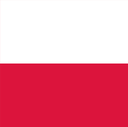
The flag of Poland consists of two horizontal stripes of equal width. The top stripe is white, and the bottom stripe is red.
The design is minimalist and contains no emblem or text in its civil version. The simplicity of the flag ensures clarity and easy recognition both within Poland and internationally.
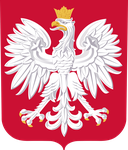
In some official contexts, a state version of the flag may include the Polish coat of arms—a white eagle—placed on the white stripe, but the plain white-and-red flag is the standard national symbol.
Meaning of the Colors
The colors of the Polish flag are derived from Poland’s historic coat of arms and carry strong symbolic meaning.
The white color represents purity, peace, and honesty. It is associated with the White Eagle, a central figure in Polish heraldry and national mythology.
The red color symbolizes bravery, courage, and the blood shed in defense of the nation. It reflects the sacrifices made during struggles for independence and sovereignty.
Together, white and red express moral values and national strength, forming a visual identity that has endured for centuries.
Historical Origins of the Flag
The origins of Poland’s national colors can be traced back to the Middle Ages, when the white eagle on a red field became the emblem of Polish rulers.
During the 18th century, Poland was partitioned by neighboring powers and ceased to exist as an independent state. Despite this, white and red remained powerful symbols of national identity.
The colors were officially recognized as national colors in 1831 during the November Uprising. After Poland regained independence following World War I, the flag was officially adopted on August 1, 1919.
More historical background can be explored on the history of Poland page.
Cultural and National Significance
The Polish flag holds strong emotional significance and is widely displayed during Independence Day (November 11), national holidays, and public ceremonies.
It represents unity across generations and regions, serving as a reminder of the country’s resilience through periods of occupation and political change.
Among European flags, Poland’s design is often compared with the Flag of Indonesia and the Flag of Monaco, which share similar colors but differ in arrangement and meaning.
The Polish flag is a central symbol in education, cultural events, and international representation.
Official Use and Flag Etiquette
The flag of Poland is flown at government buildings, schools, embassies, and public institutions. Citizens are encouraged to display the flag on national holidays and during important public events.
There are official guidelines regarding respectful handling of the flag. It should be kept clean, displayed properly, and never allowed to touch the ground.
Poland also observes Flag Day on May 2, emphasizing respect and awareness of national symbols.
The Flag in Modern Poland
In modern Poland, the flag remains a strong symbol of democracy, independence, and national pride. It appears frequently in civic life, including sports events, political gatherings, and cultural festivals.
The flag is widely embraced by Polish communities abroad, where it represents connection to homeland and shared heritage.
Despite its simplicity, the flag continues to carry powerful meaning in contemporary society.
Design Strength and Recognition
The Polish flag is praised for its clarity and timeless design. With only two colors and no complex elements, it communicates identity effectively.
Its minimalist appearance ensures easy reproduction and global recognition.
The flag’s enduring relevance shows that strong symbolism does not require visual complexity.
Questions About the Flag of Poland
When was the flag of Poland officially adopted?
It was officially adopted on August 1, 1919.
What do the white and red colors represent?
White represents purity and peace, while red represents bravery and sacrifice.
Does Poland use a version of the flag with an emblem?
Yes, the state flag includes the coat of arms in official contexts.
Why is the Polish flag similar to other flags?
Some countries share similar colors, but meanings and arrangements differ.
Is the Poland flag the same on both sides?
Yes, the design appears on both sides of the flag.