Design of the Flag of India
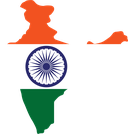
The Flag of India consists of three horizontal stripes of equal width. From top to bottom, the colors are saffron, white, and green.
At the center of the white stripe is a navy blue Ashoka Chakra, a wheel with 24 spokes. The flag’s proportions are carefully defined, and it is traditionally made of khadi, a hand-spun cloth symbolizing self-reliance.
The design is balanced and symmetrical, making it instantly recognizable across the globe.
Meaning of Colors and Symbols
Each element of the Flag of India carries deep symbolic meaning rooted in national values.
The saffron color represents courage, sacrifice, and strength. It reflects the spirit of selflessness and dedication to the nation.
The white color symbolizes peace, truth, and honesty. It stands for transparency and moral clarity in public life.
The green color represents growth, fertility, and prosperity. It reflects India’s connection to the land and hope for the future.
The Ashoka Chakra represents law, motion, and progress. Its 24 spokes symbolize righteousness and continuous movement, reminding the nation that progress comes through justice and action.
Historical Background of the India Flag
The current Flag of India was officially adopted on July 22, 1947, shortly before India gained independence from British rule on August 15, 1947.
The Ashoka Chakra was inspired by the Lion Capital of Ashoka, a historic sculpture from the Mauryan Empire. It replaced the spinning wheel used in earlier versions of the flag to represent a broader national vision.
The flag became a symbol of unity during the independence movement, bringing together people from different regions, languages, and religions. Readers interested in this era can explore more context on the History of India page.
Cultural and National Significance
The Flag of India holds profound cultural and emotional significance. It represents national pride, sovereignty, and respect for democratic values.
The flag is prominently displayed during Independence Day on August 15, Republic Day on January 26, and other national events. For Indian citizens, it symbolizes freedom, responsibility, and collective identity.
Strict guidelines govern the display and use of the flag, reflecting the respect and honor associated with it.
Relationship to Other National Flags
The Flag of India stands out among national flags due to its philosophical symbolism and historical depth. While many flags use tricolor designs, India’s use of the Ashoka Chakra gives it a distinct identity.
The flag influenced and inspired other movements in South Asia, symbolizing nonviolence, unity, and independence.
Modern Use of the Flag of India
Today, the Flag of India is flown on government buildings, schools, public institutions, and private homes during national celebrations. It is also displayed at embassies, international organizations, and global sporting events representing India abroad.
The flag plays an important role in education and civic awareness, teaching values of democracy, justice, and unity. Its continued use reinforces India’s position as the world’s largest democracy.
Interesting Facts About the Flag of India
- The flag is made from khadi cloth.
- The Ashoka Chakra has 24 spokes.
- It was adopted in 1947.
- The colors represent core national values.
- Flag usage is governed by a formal code.
Frequently Asked Questions
What does the Ashoka Chakra represent?
It represents law, progress, and continuous movement.
When was the Flag of India adopted?
It was adopted on July 22, 1947.
Why is khadi used for the Indian flag?
It symbolizes self-reliance and independence.
What do the colors of the India flag mean?
Saffron represents courage, white represents peace, and green represents growth.
Where is the India flag commonly displayed?
It is flown on public buildings and during national celebrations.