Design of the Flag of Norfolk Island
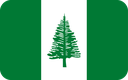
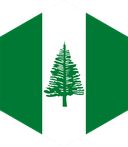
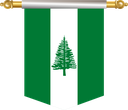
The flag of Norfolk Island features three vertical stripes of equal width. The left and right stripes are green, while the central stripe is white. In the center of the white stripe appears a green Norfolk Island pine tree.
The layout is clean and balanced, with the pine tree placed prominently to ensure clear recognition. The vertical tricolor design gives the flag a formal appearance while allowing the central emblem to stand out clearly against the white background.
Meaning of the Colors and Symbols
Each element of the Norfolk Island flag carries clear symbolic meaning connected to the island’s environment and identity.
The green stripes represent the island’s lush vegetation, fertile land, and natural beauty. Green also symbolizes growth, life, and environmental preservation, which are important to the island’s character.
The white central stripe symbolizes peace, harmony, and community unity. It reflects the island’s small population and close-knit social structure.
The Norfolk Island pine tree is the most significant symbol on the flag. It is native to the island and has become its most recognizable natural landmark. The tree represents resilience, endurance, and the island’s distinct identity. It also symbolizes stability, as the pine has stood as a guiding feature for sailors approaching the island for centuries.
Historical Background and Adoption
Norfolk Island has a complex history that includes Polynesian settlement, British colonization, and its role as a penal colony in the 18th and 19th centuries. Later, it became home to the descendants of the Bounty mutineers, who relocated from Pitcairn Island in 1856.
As the island developed a stronger sense of local identity, the need for a distinct flag became apparent. The flag of Norfolk Island was officially adopted on June 8, 1979, to represent the island’s heritage and self-governing status.
More historical context can be explored on the history of Norfolk Island page, which details the island’s settlement and governance.
Political and Regional Significance
Norfolk Island is an external territory of Australia, but it has maintained a distinct cultural identity over time. The flag represents this local identity rather than national sovereignty.
The absence of national symbols such as the Union Jack or Australian flag elements highlights the island’s focus on local heritage and natural symbolism. Among Pacific territory flags, Norfolk Island’s design is notable for its simplicity and environmental emphasis.
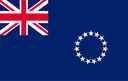
The flag is often compared with the Flag of Niue and the Flag of the Cook Islands, though Norfolk Island’s exclusive use of a natural symbol makes it unique.
Cultural Importance and Identity
For residents, the Norfolk Island flag is a strong symbol of belonging and community pride. It is displayed during local festivals, cultural events, and official ceremonies.
The pine tree, featured prominently on the flag, also appears in local art, souvenirs, and branding, reinforcing its role as a symbol of identity. The flag helps preserve cultural continuity among generations and within the island’s diaspora.
Official Use and Flag Etiquette
The flag of Norfolk Island is flown at government buildings, schools, and public institutions on the island. It is often displayed alongside the Flag of Australia during official occasions, reflecting the island’s territorial status.
Respectful handling of the flag is encouraged. It should be kept clean and displayed properly, especially during ceremonial events and community celebrations.
The Flag in Modern Norfolk Island
In modern Norfolk Island, the flag continues to represent local heritage and environmental awareness. It appears in tourism promotion, cultural exhibitions, and international representations of the island.
Despite changes in governance arrangements over time, the flag remains a stable symbol of the island’s identity and historical roots.
Design Simplicity and Recognition
The Norfolk Island flag is praised for its clean design and strong symbolism. With only two colors and a single emblem, it achieves clarity and easy recognition.
The vertical tricolor format and central pine tree ensure the flag is instantly associated with Norfolk Island, making it both educational and visually effective.
Questions About the Flag of Norfolk Island
When was the flag of Norfolk Island adopted?
The flag was officially adopted on June 8, 1979.
What does the pine tree on the flag represent?
It represents resilience, identity, and the island’s natural heritage.
Why are green and white used on the flag?
Green represents vegetation, while white symbolizes peace and unity.
Is Norfolk Island an independent country?
No, it is an external territory of Australia.
Is the Norfolk Island flag the same on both sides?
Yes, the design appears on both sides of the flag.