Design of the Drapeau Aux Serpents De La Martinique
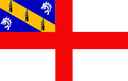
The Flag of Drapeau Aux Serpents De La Martinique features a white cross dividing the flag into four blue rectangles. Inside each blue section appears a white snake arranged in a curved or coiled position.
The design is symmetrical and visually striking. The contrast between blue and white gives the flag a strong maritime appearance, while the repeated snake symbols create a sense of balance and repetition. The overall layout resembles naval flags used during the colonial period.
Meaning of Colors and Symbols
Each element of the Flag of Drapeau Aux Serpents De La Martinique carries symbolic meaning rooted in history.
The blue background represents the sea and maritime power. It reflects Martinique’s strategic location in the Caribbean and its historical role in naval trade routes.
The white cross symbolizes Christianity and European influence, particularly French colonial authority during the period when the flag was in use.
The snakes are often associated with the fer-de-lance, a venomous snake native to Martinique. In this context, the snakes symbolize vigilance, strength, and local identity. Historically, they were also used as a distinguishing emblem for ships and military units connected to the island.
Together, these symbols reflect colonial governance, maritime identity, and regional recognition rather than modern political ideology.
Historical Background of the Snake Flag of Martinique
The Flag of Drapeau Aux Serpents De La Martinique dates back to the 18th century, when it was used as a naval and colonial flag representing Martinique under French control. It was primarily flown on ships and in maritime contexts.
Martinique has remained an overseas department of France rather than an independent nation, and as a result, the island does not have an official national flag separate from France. The snake flag fell out of official use but continued to appear in historical records and cultural references.
Readers interested in the broader context can explore related information on the History of Martinique page, which explains the island’s colonial development and political status.
Cultural and Regional Significance
Today, the Flag of Drapeau Aux Serpents De La Martinique holds cultural and historical significance rather than official status. It is sometimes displayed in historical exhibitions, academic discussions, or regional identity debates.
For some people, the flag represents heritage and recognition of Martinique’s unique history. For others, it is viewed as a reminder of colonial rule. As a result, its use in modern contexts can be sensitive and is generally limited to educational or historical purposes.
Relationship to Other Caribbean and Colonial Flags
The Flag of Drapeau Aux Serpents De La Martinique shares design elements with other colonial-era maritime flags used by European powers in the Caribbean. The white cross on a blue field reflects common naval symbolism of the time.
Compared to modern Caribbean flags that emphasize independence and national identity, this flag represents an earlier historical period. It stands apart from the current symbols used by neighboring island nations.
Modern Use and Recognition
The Flag of Drapeau Aux Serpents De La Martinique is not an official flag of Martinique today. The official flag used for administrative purposes is the Flag of France, while regional symbols may vary.
Despite this, the snake flag continues to appear in historical research, museums, and discussions about regional symbolism. Its modern recognition is primarily educational rather than political.
Interesting Facts About the Drapeau Aux Serpents De La Martinique
- The flag dates back to the 18th century.
- It was mainly used in maritime contexts.
- The snakes represent a native species.
- It is not an official flag today.
- The design reflects colonial naval symbolism.
Frequently Asked Questions
Is the Drapeau Aux Serpents De La Martinique an official flag?
No, it is a historical and regional symbol, not an official flag.
What do the snakes on the flag represent?
They represent strength, vigilance, and a native snake species.
Why does the flag have a white cross?
The cross reflects Christian and European colonial influence.
When was this flag used?
It was mainly used during the 18th century.
Where can this flag be seen today?
Mostly in historical references, museums, and educational content.