Cocos Keeling Islands Flag Meaning and Design
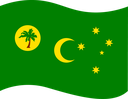
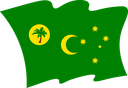
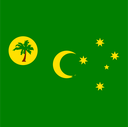
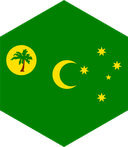
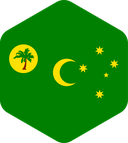
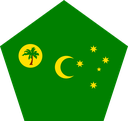
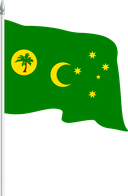
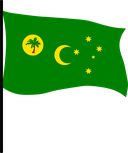
The flag of Cocos Keeling Islands sorts some important signs that signify the territory’s natural backgrounds and its confined identity. The green background may also replicates the luxurious vegetation of the islands, while the palm tree also denotes humid life and the importance of environment.
The curved moon and stars characterize the Muslim legacy of many Cocos Malay citizens. These elements also highlight the traditional assortment and customs that also stay to form island life today.
History Behind the Island Symbol
The flag of Cocos Keeling Islands was officially introduced to create a stronger sense of local identity. Before this design became recognized, the islands were mainly represented through broader symbols connected with colonial administration and later Australian governance.
The territory has also made ancient links with United Kingdom assessment and defrayal before becoming an Australian peripheral land. Today, the flag also signifies island’s local traditions and the fresh connection with Australia.
Cocos Keeling Islands Geography
The Capital of Cocos Keeling Islands is West Island with less population, which also functions as the organizational center of the territory. Another important location is direction Island Cocos Keeling, it is known for its beautiful coastlines, natural backgrounds, and antique consequence.
The Cocos Keeling Islands population is small, with residents mostly living on two populated islands- Capital West Island and Home Island. The municipal has conserved its cultural traditions while adjusting to modern life.
Why the Flag Matters Today
The flag of Cocos Keeling islands is stands more than a graphic symbol- it also signifies belonging, history, and public superiority. For native residents, it also bonds past generations with the future while it celebrating the islands’ atmosphere and national values.
Questions about Cocos Keeling Islands
1. What Country flag Cocos Keeling Islands does represent?
The flag also signifies its humid nature, local legacy, Muslim cultural civilizations, and the connection of the islands with Australia.
2. When was Cocos Keeling Islands National flag introduced?
The flag was introduced to represent local identity and celebrate the unique history, culture, and environment of the territory.
3. What is the capital of Cocos Keeling Islands?
The capital of Cocos Keeling Islands is West Island, which functions as the administrative and governmental center of the territory.
4. How many people live in Cocos Keeling Islands?
The Cocos Keeling Islands population is small, with residents mainly living on Home Island and West Island communities.
5. Why is Direction Island important?
Direction Island Cocos Keeling is famous for its natural beauty, beaches, historical sites, and importance within the island group.