Design of the Flag of the Turks and Caicos Islands
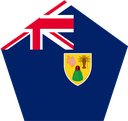
The Flag of the Turks and Caicos Islands follows the British Blue Ensign pattern.
- A dark blue field forms the background
- The Union Jack appears in the upper hoist corner
- The territorial coat of arms is displayed on the fly side
The coat of arms is set on a white shield and serves as the primary local identifier on the flag.
Meaning of Colors and Symbols
Each element of the Flag of the Turks and Caicos Islands carries specific symbolic meaning.
The blue background represents the Atlantic Ocean and Caribbean Sea that surround the islands. It reflects maritime heritage and island geography.
The Union Jack represents British sovereignty and the constitutional relationship with the United Kingdom.
The coat of arms includes several important symbols:
- A conch shell, representing marine life and the traditional fishing economy
- A lobster, symbolizing the fishing industry and coastal resources
- A cactus, representing the dry climate and native plant life
Together, these symbols reflect the islands’ economy, environment, and connection to the sea.
Historical Background of the Turks and Caicos Flag
The Turks and Caicos Islands became a British territory in the late 18th century, following periods of settlement and administration linked to nearby Caribbean colonies.
As a British Overseas Territory, the islands adopted the Blue Ensign format, which allows territories to display local symbols while retaining British identity.
The current version of the flag, featuring the modern coat of arms, was officially approved in 1968. The design has remained largely unchanged, reflecting administrative continuity.
Readers interested in colonial administration and regional development can explore more context on the History of the Turks and Caicos Islands page.
Cultural and Territorial Significance
The Flag of the Turks and Caicos Islands holds importance as a symbol of governance and community identity.
It is displayed during official ceremonies, public holidays, and visits by representatives of the United Kingdom. For residents, the flag represents stability, local heritage, and self-government within a British framework.
The marine symbols on the coat of arms are especially meaningful, reflecting the islands’ dependence on the sea.
Relationship to Other British Overseas Territory Flags
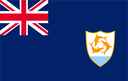
The Flag of the Turks and Caicos Islands belongs to a broader family of British Overseas Territory flags, including those of Bermuda, the Cayman Islands, and the Falkland Islands.
While the overall design structure is similar, each territory’s coat of arms makes its flag unique. Comparing these flags highlights how local identity is expressed within a shared constitutional system.
Modern Use of the Flag of the Turks and Caicos Islands
Today, the Flag of the Turks and Caicos Islands is flown on government buildings, administrative offices, and public institutions across the territory.
It is also displayed at international events and diplomatic settings where the territory is represented. Alongside the Union Jack, it serves as a visual symbol of authority and governance.
The flag plays an important role in civic education, helping residents understand territorial status, heritage, and local symbolism.
Interesting Facts About the Flag of the Turks and Caicos Islands
- It follows the British Blue Ensign design.
- The coat of arms highlights marine life.
- It represents a British Overseas Territory.
- The flag was approved in 1968.
- Ocean symbolism is central to its design.
Questions About the Flag of the Turks and Caicos Islands
Is the Turks and Caicos Islands an independent country?
No, it is a British Overseas Territory.
Why does the flag include the Union Jack?
It represents British sovereignty and governance.
What do the symbols on the coat of arms represent?
They represent marine life, fishing, and the island environment.
When was the current flag approved?
It was approved in 1968.
Where is the Turks and Caicos Islands flag commonly displayed?
On government buildings and during official events.