Design of the Flag of Zambia
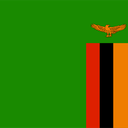
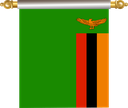
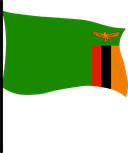
The Flag of Zambia features a green field that covers most of the flag.
On the fly side (right side) of the flag are three vertical stripes arranged from left to right:
Above these stripes is an orange African fish eagle in flight.
The asymmetrical placement of the stripes and eagle gives the flag a unique and dynamic appearance.
Meaning of Colors and Symbols
Each element of the Flag of Zambia carries clear and powerful symbolic meaning.
The green background represents Zambia’s rich natural resources, fertile land, forests, and agriculture. It reflects the country’s environmental wealth.
The red color represents the blood shed during the struggle for independence. It symbolizes sacrifice and the fight for freedom.
The black color represents the people of Zambia and African identity.
The orange color represents Zambia’s mineral wealth, especially copper, which plays a major role in the country’s economy.
The African fish eagle symbolizes freedom, strength, and the ability to rise above challenges. It represents hope and national ambition.
Together, these elements express independence, unity, and confidence in the future.
Historical Background of the Zambia Flag
The Flag of Zambia was officially adopted on October 24, 1964, the day Zambia gained independence from British colonial rule.
Before independence, Zambia was known as Northern Rhodesia and used colonial flags that did not represent African identity.
The adoption of a new national flag marked a clear break from colonial symbolism. The eagle was chosen to represent freedom and a new beginning for the nation.
Readers interested in independence movements can explore more context on the History of Zambia page.
Cultural and National Significance
The Flag of Zambia holds strong cultural and emotional importance for Zambians.
It represents liberation, pride, and unity among diverse ethnic groups. The flag is prominently displayed during Independence Day, national ceremonies, cultural festivals, and sporting events.
For many citizens, the eagle is a symbol of optimism and the ability to overcome hardship.
Relationship to Other African Flags
The Flag of Zambia differs from many African national flags that use horizontal stripes or Pan-African colors in traditional layouts.
While it includes red and black, Zambia’s unique placement of colors and its eagle emblem set it apart. Comparing African flags highlights Zambia’s emphasis on natural resources and freedom through symbolic imagery.
Its design is one of the most distinctive on the continent.
Modern Use of the Flag of Zambia
Today, the Flag of Zambia is flown on government buildings, schools, public institutions, and national landmarks throughout the country.
It is also displayed at embassies, international organizations, and global events representing Zambia abroad. The flag plays an important role in civic education, helping citizens understand independence, unity, and national values.
Its continued use reinforces Zambia’s identity as a sovereign and resource-rich African nation.
Interesting Facts About the Flag of Zambia
- It was adopted in 1964
- The eagle symbolizes freedom
- Orange represents copper wealth
- The design is asymmetrical
- Green reflects natural resources
Questions About the Flag of Zambia
What does the eagle on the Zambia flag represent?
It represents freedom, strength, and hope.
When was the Flag of Zambia adopted?
It was adopted on October 24, 1964.
What does the green color symbolize?
It represents land, agriculture, and natural resources.
Why is orange used on the flag?
It symbolizes Zambia’s mineral wealth, especially copper.
Where is the Zambia flag commonly displayed?
On public buildings and during national events.