Design of the Flag of Benin
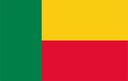
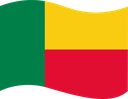
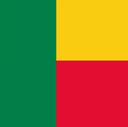
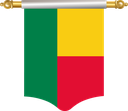
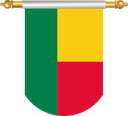
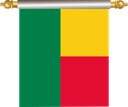
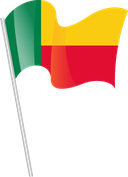
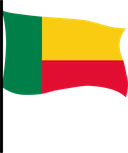
The flag of Benin features a vertical green stripe on the hoist side and two horizontal stripes on the fly side. The upper horizontal stripe is yellow, while the lower stripe is red. This asymmetrical layout creates a distinctive appearance that sets the Benin flag apart.
The green stripe occupies approximately one-third of the flag’s width, while the yellow and red stripes share the remaining space equally. The clear contrast between the colors ensures high visibility and a balanced visual structure.
Meaning of Colors and Symbols
Each color on the Benin flag carries symbolic meaning commonly associated with Pan-African ideals. The green color represents hope, renewal, and agricultural prosperity. It reflects the fertile land and natural resources of Benin.
The yellow color symbolizes wealth, energy, and the richness of the nation’s resources. It also represents optimism and the bright future envisioned after independence.
The red color stands for courage, strength, and the blood shed by those who fought for freedom. Together, green, yellow, and red are Pan-African colors, emphasizing unity and shared heritage across Africa.
Historical Background of the Benin Flag
The flag of Benin was originally adopted in 1959, shortly before the country gained independence from French colonial rule in 1960. At the time, the country was known as Dahomey, and the flag symbolized the birth of a new nation.
During the period when Benin became the People’s Republic of Benin, a different flag design was used. In 1990, the original tricolor design was restored following political changes and the adoption of a new constitution. Readers interested in these developments can explore more context on the History of Benin page.
Cultural and National Significance
The flag of Benin holds strong cultural importance and is a symbol of national pride. It represents independence, resilience, and unity. The flag is prominently displayed during national holidays, independence celebrations, and public events.
For the people of Benin, the flag serves as a reminder of shared struggles and aspirations. Its Pan-African colors reinforce solidarity with other African nations while maintaining a distinct national identity.
Relationship to Other African Flags
The Benin flag shares its color scheme with many African national flags that use Pan-African colors. However, its unique layout distinguishes it from others with horizontal or vertical tricolors.
Comparing African flags highlights how Benin’s design balances continental symbolism with a layout that reflects national individuality. The flag emphasizes both regional unity and national heritage.
Modern Use of the Flag of Benin
Today, the flag of Benin is flown on government buildings, schools, and public institutions throughout the country. It is also displayed at embassies and international organizations, representing Benin on the global stage.
The flag is widely used in education, cultural programs, and tourism promotion. Its continued use reinforces national identity and pride.
Interesting Facts About the Flag of Benin
- The flag was first adopted in 1959.
- It uses Pan-African colors.
- The design combines vertical and horizontal stripes.
- The original flag was restored in 1990.
- It symbolizes unity and independence.
Frequently Asked Questions
What do the colors of the Benin flag represent?
Green represents hope, yellow symbolizes wealth, and red stands for courage.
When was the flag of Benin adopted?
The original flag was adopted in 1959 and restored in 1990.
Why does the Benin flag look different from other tricolors?
It uses a vertical stripe combined with horizontal stripes.
Is the Benin flag influenced by Pan-Africanism?
Yes, its colors are traditional Pan-African symbols.
Where is the Benin flag commonly displayed?
It is flown on government buildings and during national events.