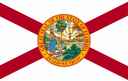
Design of the Flag of Kansas
The Flag of Kansas features a dark blue field with the Great Seal of the State of Kansas placed at the center.
Above the seal is the word “KANSAS” written in gold letters. The seal is circular and detailed, showing a landscape scene with people, animals, and symbols arranged around a rising sun.
The design follows the traditional U.S. state flag style, emphasizing official identity and historical narrative.
Meaning of Colors and Symbols
Each element of the Flag of Kansas carries specific symbolic meaning.
The blue background represents loyalty, justice, and perseverance. It is commonly used in American state flags to symbolize unity and authority.
The state seal contains several important symbols:
- A rising sun represents the birth of a new state and hope for the future.
- A farmer and plow symbolize agriculture and hard work.
- A wagon train represents westward expansion and settlement.
- Buffalo symbolize Kansas’s wildlife and natural heritage.
- Native American figures reflect the land’s original inhabitants.
- The phrase “Ad Astra Per Aspera” (“To the stars through difficulties”) represents perseverance and ambition.
Together, these symbols highlight struggle, progress, and opportunity.
Historical Background of the Kansas Flag
The Great Seal of Kansas was adopted in 1861, the same year Kansas became the 34th U.S. state. The seal reflects the era of westward expansion and settlement.
The Flag of Kansas itself was officially adopted in 1927, though the seal had been in use long before that. The addition of the state name above the seal helped distinguish it from other blue state flags.
Kansas played a major role in American history during the pre–Civil War period, often referred to as “Bleeding Kansas.” Readers interested in this era can explore more context on the History of Kansas page.
Cultural and State Significance
The Flag of Kansas represents perseverance, agriculture, and the pioneer spirit. It reflects the challenges faced by early settlers and the determination required to build communities on the Great Plains.
The flag is prominently displayed during state holidays, agricultural fairs, legislative sessions, and public ceremonies. For residents, it symbolizes pride in rural heritage, resilience, and democratic values.
Relationship to Other U.S. State Flags
The Flag of Kansas follows the traditional seal-on-blue-field design used by many U.S. states, such as Kentucky and Nebraska.
What distinguishes Kansas’s flag is its detailed depiction of westward expansion and agriculture. Comparing U.S. state flags highlights how Kansas emphasizes settlement and perseverance.
Modern Use of the Flag of Kansas
Today, the Flag of Kansas is flown on government buildings, schools, courthouses, and public spaces throughout the state. It is also displayed at national events representing Kansas across the United States.
The flag plays an important role in education, helping students understand state history, symbolism, and civic responsibility. Its continued use reinforces Kansas’s identity as a hardworking and forward-looking state.
Interesting Facts About the Flag of Kansas
- Kansas became a state in 1861.
- The motto is in Latin.
- Agriculture is a central symbol.
- The flag was adopted in 1927.
- The rising sun represents hope.
Frequently Asked Questions
What does the Kansas state seal represent?
It represents settlement, agriculture, and progress.
When was the Flag of Kansas adopted?
It was adopted in 1927.
What does the Kansas state motto mean?
It means “To the stars through difficulties.”
Why is the Kansas flag blue?
Blue symbolizes loyalty and justice.
Where is the Kansas flag commonly displayed?
It is flown on public buildings and during state events.