Design of the Flag of Bouvet Island
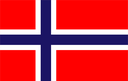
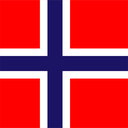
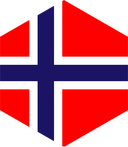
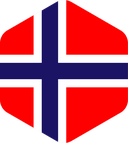
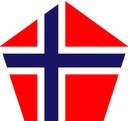
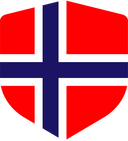
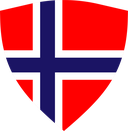
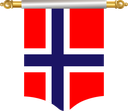
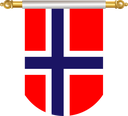
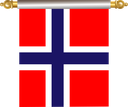
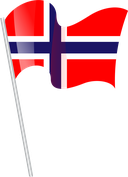
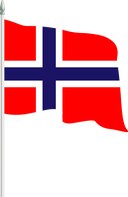
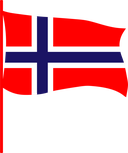
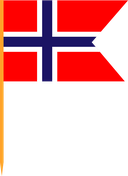
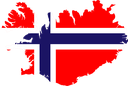
Since Bouvet Island is a Norwegian dependency, it officially uses the Norwegian national flag. The flag features a red field with a blue Nordic cross outlined in white. The vertical part of the cross is shifted toward the hoist side, following the traditional Nordic cross design.
The simplicity and clarity of the Norwegian flag ensure strong visibility even in harsh weather conditions. When used for Bouvet Island, the flag represents governance, sovereignty, and international recognition rather than local identity.
Meaning of Colors and Symbols
The symbolism of the flag used for Bouvet Island comes directly from the flag of Norway. The red color represents strength, bravery, and historical sacrifice. The white color symbolizes peace, honesty, and purity.
The blue cross represents loyalty, justice, and the maritime heritage of Norway. The Nordic cross itself symbolizes Christianity and shared cultural heritage among Nordic countries. Together, these colors and symbols reflect Norway’s national values and authority over its territories.
Political and Territorial Status of Bouvet Island
Bouvet Island is officially classified as a dependency of Norway and is one of the most isolated landmasses on Earth. It is covered mostly by glaciers and has no permanent residents or civilian infrastructure.
Because Bouvet Island has no indigenous population or local government, it does not require a distinct territorial flag. The use of the Norwegian flag clearly indicates sovereignty and administrative control. Readers interested in the legal and discovery background can explore more details on the History of Bouvet Island page.
Historical Background of the Flag Usage
Norway formally claimed Bouvet Island in 1927, and it was declared a dependency in 1930. Since then, the Norwegian flag has served as the official symbol of authority over the island.
Unlike some overseas territories that adopt their own flags or coats of arms, Bouvet Island remains directly represented by Norway due to its uninhabited status. This approach is common for territories used mainly for scientific research or environmental protection.
International Recognition and Legal Importance
The flag of Norway, when used for Bouvet Island, serves an important legal purpose. It confirms Norway’s sovereignty under international law and marks the island as part of Norwegian territory.
Bouvet Island is protected as a nature reserve, and the presence of the Norwegian flag symbolizes responsibility for environmental preservation rather than settlement or development. This makes Bouvet Island unique among territorial representations.
Relationship to Other Uninhabited Territories
Bouvet Island is similar to other uninhabited territories around the world that use the flag of their governing country. Unlike inhabited territories that develop local symbols, Bouvet Island’s identity is tied entirely to Norway.
Comparing Bouvet Island with other subantarctic territories shows how flags are used more for legal recognition than cultural expression in such cases.
Modern Use of the Flag of Bouvet Island
Today, the Norwegian flag represents Bouvet Island in official documents, international references, and scientific research activities. The flag may be displayed during expeditions or research missions, although visits to the island are extremely rare.
The continued use of the Norwegian flag emphasizes governance, protection, and international responsibility rather than local identity.
Interesting Facts About the Flag of Bouvet Island
- Bouvet Island has no permanent population.
- It does not have a unique territorial flag.
- The Norwegian flag is officially used.
- Bouvet Island is one of the most isolated islands on Earth.
- The island is protected as a nature reserve.
Frequently Asked Questions
Does Bouvet Island have its own flag?
No, it uses the flag of Norway.
Why does Bouvet Island use the Norwegian flag?
Because it is a dependency of Norway with no permanent population.
When did Norway claim Bouvet Island?
Norway claimed the island in 1927.
Is Bouvet Island inhabited?
No, it has no permanent residents.
Where is Bouvet Island located?
It is located in the South Atlantic Ocean.