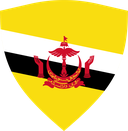
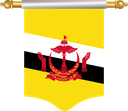
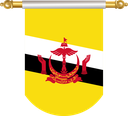
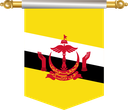
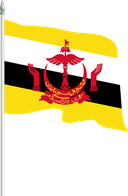
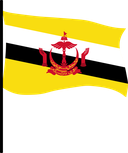
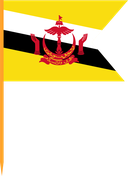
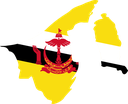
What Does Brunei Country Flag Looks?
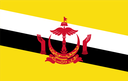
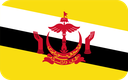
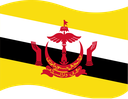
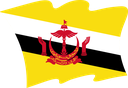
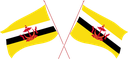
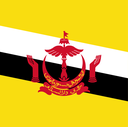
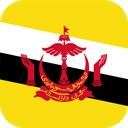
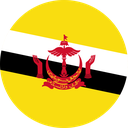
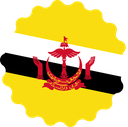
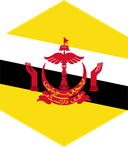
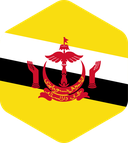
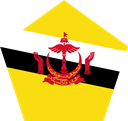
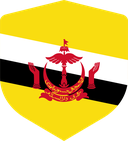
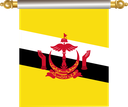
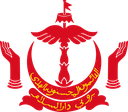
The Brunei country flag has also contain a yellow color field overlapped by two diagonal bands, one white color and one black color. At the center, it is Brunei’s red color national peak, which includes an arced, royal brolly, wings, needles, and Arabic writing.
Yellow color conventionally signifies the Sultan. The white color and black color bands are related with two of Brunei’s outdated chief ministers. The national peak signifies kingdom, Islam, integrity, peace, and the government’s obligation near its people.
People’s also searching for a Brunei flag svg regularly need a accessible form for educational developments, exhibitions, websites, or digital strategies. A Brunei flag map can also help learners to connect the national Emblem with Brunei’s geographical spot.
Brunei’s Location and Geography
Understanding the Brunei country location is simple when looking at Borneo. Brunei is also located on the northern coast side of the island in Southeast Asia region and faces the South China Sea.
A Brunei Asia map also shows that the country comprises of two separate land zones divided by Malaysian region. Neighboring countries, include Malaysia, Indonesia, and the Philippines. Brunei is also a member of ASEAN, which supports regional Countries by economic, political, and cultural cooperation.
Its small geographic size makes Brunei has also easy to superintend on regional maps, but its energy assets, kingdom, and strategic location may also give the country significant regional importance.
Capital and International Calling Code
The Brunei country capital is Bandar Seri Begawan. It is the country’s Main administrative, traditional, and party-political center and it is also recognized for striking mosques, government structures, markets, institutions, and seaside expenditures.
The Brunei country code used for international calls is +673. Travelers, companies, and international contacts need this preface when calling Brunei from another country.
Understanding Brunei Culture
Brunei culture combines Malay civilizations, Islamic beliefs, royal levies, and strong family relations. Respect, modest attire, courteous behavior, and attention for religious applies are essential parts of ordinary social life.
Invitees should become acquainted with local levies before traveling. This is particularly useful when visiting mosques, attending official occasions, cooperating with citizens, or arriving official institutions.
The national flag may also reveals many of these cultural foundations over its royal colors, Islamic sign, and old-fashioned national emblem.
Why Brunei’s Flag Matters
Brunei’s national flag represents much more than government identity. Its colors and symbols communicate the country’s monarchy, religious heritage, political traditions, and historical continuity.
For students, travelers, researchers, and geography devotees, also get knowledge about the Brunei country flag has also provides a useful introduction to Brunei’s personality.
Informational Questions about Brunei country
Where is Brunei located in region?
Brunei is located in Southeast Asia region on Borneo’s northern coast side. It share border with Malaysia and faces the South China Sea, with two separate land ranges divided by Malaysian land geographically.
Are Bruneian people poor?
Most Bruneians are not generally considered poor. Brunei has high national income from oil and gas, although individual living standards and household circumstances can still vary across families.
Is Brunei safe for foreign guests and Tourist?
Brunei is generally deliberated as a safe country with low fierce crime rate. Visitors should still follow native laws, respect Islamic payments, protect treasures, and wisely use normal travel precautions.
What language is spoken in Brunei?
Malay is Brunei’s official language, while English is widely understood and used in education and business. Several indigenous languages and Chinese varieties are also spoken locally across communities.