Design of the Flag of Bulgaria
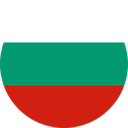
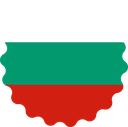
The flag of Bulgaria consists of three horizontal stripes of equal width. From top to bottom, the colors are white, green, and red. The design is simple, balanced, and free of additional symbols or text.
This clean layout allows the colors to speak for themselves and makes the Bulgarian flag easy to recognize. The horizontal arrangement is traditional and emphasizes stability and order, reflecting the country’s respect for heritage and national unity.
Meaning of Colors and Symbols
Each color on the Bulgaria flag carries symbolic meaning. The white stripe represents peace, freedom, and purity. It reflects Bulgaria’s aspirations for harmony and independence after long periods of foreign rule.
The green stripe symbolizes the country’s rich natural landscape, including forests, mountains, and fertile agricultural land. Green also represents growth, renewal, and hope for the future.
The red stripe stands for courage, strength, and the blood shed by those who fought for Bulgaria’s freedom. It honors sacrifice and resilience throughout the nation’s history.
Together, the three colors express a balance between peace, prosperity, and bravery, forming the core values of Bulgarian national identity.
Historical Background of the Bulgaria Flag
The modern flag of Bulgaria was officially adopted in 1879, following the liberation of Bulgaria from Ottoman rule and the establishment of the modern Bulgarian state. The tricolor design was inspired by Pan-Slavic ideals and earlier revolutionary banners.
During different political periods, including the socialist era, versions of the flag included a coat of arms. After political changes in 1990, Bulgaria restored the plain tricolor design, emphasizing democratic values and historical continuity. Readers interested in this transformation can explore more details on the History of Bulgaria page.
Cultural and National Significance
The flag of Bulgaria holds deep cultural significance and is a symbol of national pride. It represents independence, identity, and unity among Bulgarians at home and abroad.
The flag is prominently displayed during national holidays such as Liberation Day and Independence Day. It is also widely used in schools, cultural events, and public ceremonies, reinforcing a shared sense of history and belonging.
Relationship to Other Slavic and European Flags
The Bulgaria flag shares similarities with other Slavic tricolor flags but remains distinct due to its specific color order. While many Slavic flags use blue, white, and red, Bulgaria’s use of green reflects its natural landscape and agricultural heritage.
Comparing European flags highlights how Bulgaria combines Slavic symbolism with local identity, setting it apart from neighboring nations while maintaining regional connections.
Modern Use of the Flag of Bulgaria
Today, the flag of Bulgaria is flown on government buildings, schools, and public spaces throughout the country. It is also displayed at embassies, international organizations, and global events representing Bulgaria abroad.
The flag plays an important role in education and civic life, teaching values of freedom, unity, and respect for history. Its continued use reinforces Bulgaria’s presence and identity on the international stage.
Interesting Facts About the Flag of Bulgaria
- The flag was officially adopted in 1879.
- Green distinguishes it from many other Slavic flags.
- Earlier versions included a coat of arms.
- The plain tricolor was restored in 1990.
- It symbolizes peace, land, and sacrifice.
Frequently Asked Questions
What do the colors of the Bulgaria flag represent?
White represents peace, green symbolizes nature, and red stands for courage and sacrifice.
When was the flag of Bulgaria adopted?
The modern tricolor was adopted in 1879.
Did Bulgaria’s flag ever include a coat of arms?
Yes, earlier versions included a coat of arms during certain political periods.
Why does the Bulgaria flag use green instead of blue?
Green represents Bulgaria’s natural landscape and agricultural heritage.
Where is the Bulgaria flag commonly displayed?
It is flown on government buildings and during national celebrations.