Design of the Flag of Wyoming
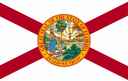
The Flag of Wyoming features a dark blue field with a white and red border running along all four sides.
At the center of the flag is a white silhouette of an American bison, facing the hoist side.
Inside the bison is the state seal of Wyoming, shown in blue.
The design is bold, symmetrical, and highly visible, making it one of the most distinctive state flags in the United States.
Meaning of Colors and Symbols
Each element of the Flag of Wyoming carries clear symbolic meaning.
The blue background represents the sky, mountains, and wide-open spaces of Wyoming. It also symbolizes loyalty, justice, and perseverance.
The white border represents purity, integrity, and honesty.
The red border represents courage, strength, and the sacrifices made by the people of Wyoming.
The American bison is the most important symbol on the flag. It represents wildlife, strength, and Wyoming’s frontier heritage. The bison also reflects the importance of ranching and the state’s connection to the American West.
The state seal within the bison symbolizes authority, governance, and Wyoming’s official identity.
Together, these elements express independence, resilience, and pride in natural heritage.
Historical Background of the Wyoming Flag
Wyoming became a U.S. state in 1890, earning the nickname “The Equality State” for its early support of women’s voting rights.
The Flag of Wyoming was officially adopted in 1917. The design was created by Verna Keays, a Wyoming resident who won a statewide design competition.
The bison was chosen as the central symbol due to its strong association with the region’s history, wildlife, and economy.
Readers interested in frontier history and statehood can explore more context on the History of Wyoming page.
Cultural and State Significance
The Flag of Wyoming holds strong cultural importance for residents of the state.
It represents independence, rugged individualism, and respect for nature. The bison symbolizes survival and strength in harsh environments, qualities often associated with Wyoming’s people and landscape.
The flag is displayed during state holidays, official ceremonies, rodeos, and civic events. For Wyomingites, it symbolizes pride in frontier heritage and commitment to self-reliance.
Relationship to Other U.S. State Flags
The Flag of Wyoming is unique among U.S. state flags because of its bold animal silhouette and minimal text.
While many state flags rely on detailed seals, Wyoming’s design emphasizes strong imagery and simplicity. Comparing state flags highlights Wyoming’s focus on wildlife and frontier identity rather than complex symbolism.
It is often cited as one of the most recognizable state flags.
Modern Use of the Flag of Wyoming
Today, the Flag of Wyoming is flown on state government buildings, schools, courthouses, and public institutions throughout the state.
It is also used in educational materials, tourism promotion, and cultural displays. The flag plays an important role in teaching state history, wildlife conservation, and civic pride.
Its continued use reinforces Wyoming’s identity as a state defined by open land, strength, and independence.
Interesting Facts About the Flag of Wyoming
- It was adopted in 1917
- The bison is a central symbol
- It has a unique red and white border
- It was designed through a competition
- It reflects frontier heritage
Questions About the Flag of Wyoming
What does the bison on the Wyoming flag represent?
It represents wildlife, strength, and frontier heritage.
When was the Flag of Wyoming adopted?
It was adopted in 1917.
Who designed the Wyoming flag?
It was designed by Verna Keays.
What do the colors of the flag symbolize?
Blue represents the sky and loyalty, white represents purity, and red represents courage.
Where is the Wyoming flag commonly displayed?
On state buildings and during official events.