Design of the Flag of Eritrea
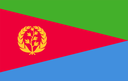
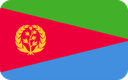
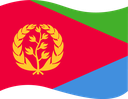
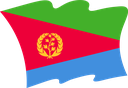
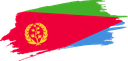
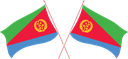
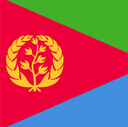
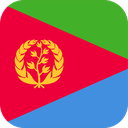
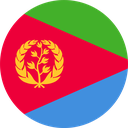
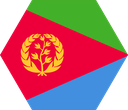
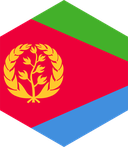
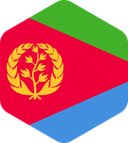
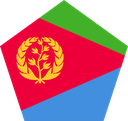
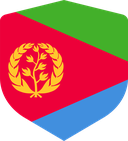
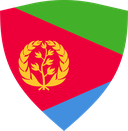
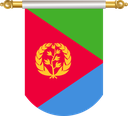
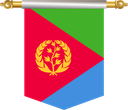
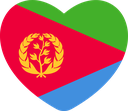
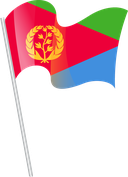
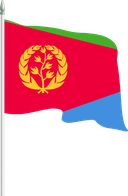
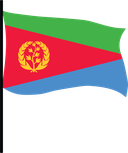
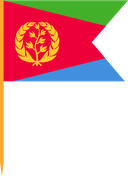
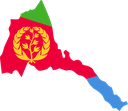
The Flag of Eritrea features a red isosceles triangle extending from the hoist side to the center of the flag. Above the red triangle is a green triangle, and below it is a blue triangle.
At the center of the red triangle is a golden olive wreath surrounding an upright olive branch. The angular layout gives the flag a dynamic and forward-moving appearance, making it easily recognizable among African national flags.
Meaning of Colors and Symbols
Each color and symbol on the Flag of Eritrea carries deep meaning connected to the nation’s history and values.
The red triangle represents the blood shed by Eritreans during the long struggle for independence. It symbolizes sacrifice, courage, and resilience.
The green triangle represents agriculture, fertility, and the country’s natural resources. It reflects hope for growth and self-reliance.
The blue triangle symbolizes the Red Sea, highlighting Eritrea’s coastline and maritime importance. Blue also represents peace and stability.
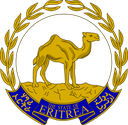
The golden olive wreath represents peace and unity. The olive branch is a universal symbol of peace, while the wreath reflects harmony among the people after years of conflict.
Historical Background of the Eritrea Flag
The Flag of Eritrea was officially adopted on December 5, 1995, following Eritrea’s independence from Ethiopia in 1993. The design is closely based on the flag used by the Eritrean People’s Liberation Front during the independence struggle.
The olive wreath was inspired by elements from earlier regional symbols but redesigned to reflect peace after independence. The flag represents a transition from armed struggle to national rebuilding. Readers interested in this journey can explore more context on the History of Eritrea page.
Cultural and National Significance
The Flag of Eritrea holds strong emotional and cultural significance for its people. It represents freedom achieved after decades of struggle and unity among diverse communities.
The flag is prominently displayed during Independence Day celebrations, national holidays, and official ceremonies. For Eritreans, it symbolizes perseverance, sovereignty, and pride in national identity.
Relationship to Other African Flags
The Flag of Eritrea stands out among African flags due to its triangular layout rather than traditional stripes. While it uses colors common in African symbolism, its design focuses more on independence history than Pan-African ideology.
Compared to neighboring countries, Eritrea’s flag places strong emphasis on sacrifice and peace. This gives it a unique identity within the Horn of Africa.
Modern Use of the Flag of Eritrea
Today, the Flag of Eritrea is flown on government buildings, schools, and public spaces throughout the country. It is also displayed at embassies, international organizations, and global events representing Eritrea abroad.
The flag plays an important role in education and civic life, helping citizens understand national history, unity, and responsibility. Its continued use reinforces Eritrea’s presence as a sovereign African nation.
Interesting Facts About the Flag of Eritrea
- The flag was adopted in 1995.
- Red represents sacrifice during independence.
- The design is based on a liberation movement flag.
- Blue symbolizes the Red Sea.
- The olive wreath represents peace.
Frequently Asked Questions
What does the red color on the Eritrea flag represent?
It represents the blood shed during the independence struggle.
Why does the Eritrea flag use a triangular design?
It reflects movement, struggle, and a break from colonial symbolism.
When was the Flag of Eritrea adopted?
It was officially adopted on December 5, 1995.
What does the olive wreath symbolize?
It represents peace and unity.
Where is the Eritrea flag commonly displayed?
It is flown on public buildings and during national events.