Design of the Flag of Isle of Man
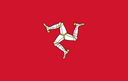
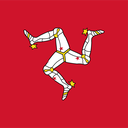
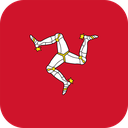
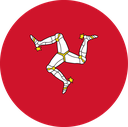
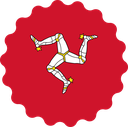
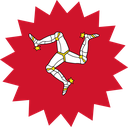
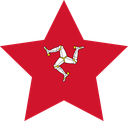
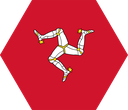
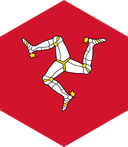
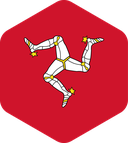
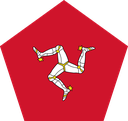
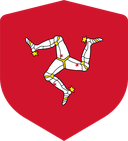
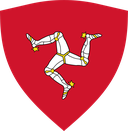
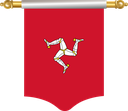
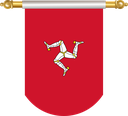
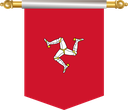
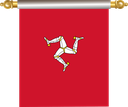
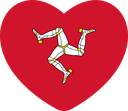
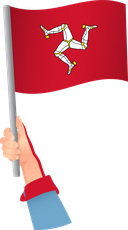
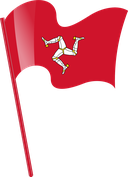
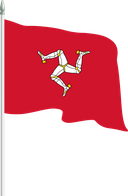
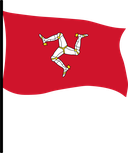
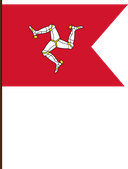
The Flag of Isle of Man features a red field with a white triskelion positioned at the center. The triskelion consists of three armored human legs, joined at the thigh and bent at the knee, radiating clockwise.
Each leg is traditionally shown wearing golden spurs, adding detail and heraldic character. The overall design is bold, symmetrical, and immediately recognizable.
Meaning of Colors and Symbols
Every element of the Flag of Isle of Man carries historical and symbolic meaning.
The red background represents strength, courage, and vitality. Red is commonly used in heraldry to symbolize bravery and determination.
The triskelion of three legs is one of the oldest symbols associated with the island. It represents movement, balance, and resilience.
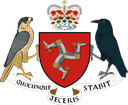
The emblem is often associated with the Manx motto “Quocunque Jeceris Stabit,” meaning “Wherever you throw it, it will stand.” This phrase reflects the island’s ability to endure challenges and remain stable through political and historical change.
The circular motion of the legs symbolizes continuity, progress, and adaptability.
Historical Background of the Isle of Man Flag
The triskelion symbol dates back to at least the 13th century, though similar symbols existed in ancient Mediterranean cultures. Its adoption on the Isle of Man reflects the island’s connections to Norse and Celtic traditions.
The Flag of Isle of Man became widely recognized as a national symbol during the medieval period. While the exact date of official adoption is unclear, its continuous use over centuries gives it deep historical legitimacy.
The Isle of Man has its own parliament, Tynwald, considered one of the oldest continuously operating legislative bodies in the world. Readers interested in governance and heritage can explore more context on the History of the Isle of Man page.
Cultural and National Significance
The Flag of Isle of Man holds strong cultural importance for the Manx people. It represents independence in domestic governance, cultural identity, and pride in tradition.
The flag is prominently displayed during Tynwald Day, national celebrations, cultural festivals, and sporting events. For residents, it symbolizes resilience, continuity, and respect for ancestral heritage.
Relationship to the United Kingdom
The Isle of Man is a Crown Dependency, not part of the United Kingdom. As a result, it has its own flag, laws, and internal government.
While the Union Jack may be flown on certain official occasions, the Flag of Isle of Man represents the island’s own authority and identity. This distinction highlights constitutional independence while maintaining a relationship with the British Crown.
Relationship to Other Triskelion Symbols
The triskelion appears in several ancient cultures, including Greek and Celtic symbolism. However, the three-legged version used by the Isle of Man is unique in Europe.
Unlike abstract triskelions, the Manx design emphasizes human form and motion, reinforcing ideas of strength and perseverance. Comparing symbolic flags shows how the Isle of Man adapted an ancient motif into a lasting national emblem.
Modern Use of the Flag of Isle of Man
Today, the Flag of Isle of Man is flown on government buildings, harbors, schools, and public spaces across the island. It is also displayed internationally in sporting and cultural events where the Isle of Man participates independently.
The flag plays an important role in education and civic identity, helping residents understand history, governance, and cultural continuity. Its continued use reinforces the island’s distinct status and heritage.
Interesting Facts About the Flag of Isle of Man
- The triskelion dates back over 700 years.
- The motto emphasizes resilience.
- The island has one of the oldest parliaments.
- The flag represents self-governance.
- The design has remained largely unchanged.
Frequently Asked Questions
What does the triskelion on the Isle of Man flag represent?
It represents movement, resilience, and continuity.
Is the Isle of Man part of the United Kingdom?
No, it is a Crown Dependency.
What does the Isle of Man motto mean?
It means “Wherever you throw it, it will stand.”
How old is the Isle of Man flag symbol?
The triskelion dates back to the medieval period.
Where is the Isle of Man flag commonly displayed?
On public buildings and during national events.