Design Used for Svalbard and Jan Mayen
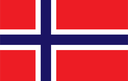
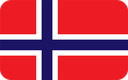
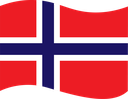
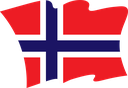
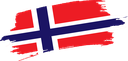
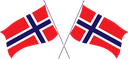
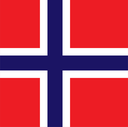
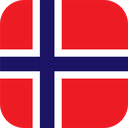
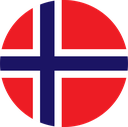
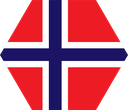
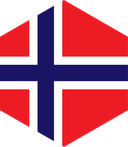
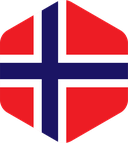
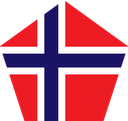
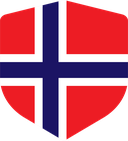
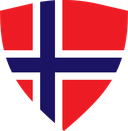
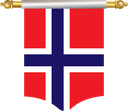
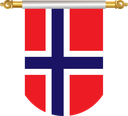
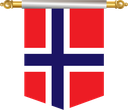
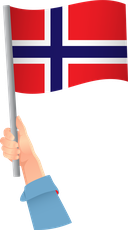
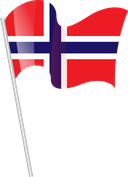
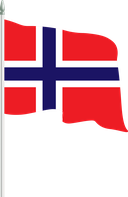
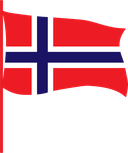
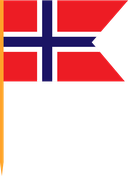
Svalbard and Jan Mayen officially use the Flag of Norway, which features a traditional Scandinavian cross design.
The flag consists of:
- A red background
- A blue Nordic cross
- A white outline surrounding the cross
The vertical part of the cross is shifted toward the hoist side, following Nordic flag tradition.
Meaning of Colors and Symbols
The colors and design used for Svalbard and Jan Mayen carry the same meaning as the Norwegian national flag.
The red color represents courage, strength, and the sacrifices made in national defense.
The white color symbolizes peace, honesty, and integrity.
The blue color represents loyalty, justice, and the sea, which is especially relevant to Arctic territories surrounded by ocean.
The Nordic cross symbolizes Christianity and the shared cultural heritage of Scandinavian nations.
Together, these elements express sovereignty, stability, and cultural continuity.
Political and Administrative Background
Svalbard and Jan Mayen are both territories of Norway, but they have different administrative arrangements.
Svalbard is governed under the Svalbard Treaty of 1920, which grants Norway sovereignty while allowing certain international rights. Jan Mayen is a remote volcanic island administered directly by Norway.
Because neither territory is an independent country or autonomous region with its own flag, the Norwegian flag is used for official representation.
Readers interested in governance and treaties can explore more context on the History of Svalbard and Jan Mayen page.
Cultural and Geographic Significance
Although they share the same flag, Svalbard and Jan Mayen are geographically and culturally distinct.
Svalbard is known for Arctic research, polar wildlife, and international scientific cooperation. Jan Mayen is largely uninhabited and used mainly for meteorological and military purposes.
The use of the Norwegian flag emphasizes protection, administration, and national responsibility in extreme environments.
Relationship to Other Nordic Territories
The Flag of Svalbard and Jan Mayen follows the Nordic tradition of using national flags to represent overseas or remote territories.
Similar arrangements exist for other Nordic regions where national flags represent territories without separate political autonomy. Comparing Nordic flags highlights shared heritage and governance practices.
Modern Use of the Flag in the Territories
Today, the Norwegian flag is flown on government buildings, research stations, ports, and official installations in Svalbard and Jan Mayen.
The flag is also used during official visits, scientific missions, and international cooperation activities. Its presence symbolizes Norwegian law, order, and responsibility in Arctic regions.
Interesting Facts About the Flag of Svalbard and Jan Mayen
- They do not have a separate official flag.
- The Norwegian flag represents both territories.
- The Nordic cross reflects Scandinavian heritage.
- Svalbard is governed by an international treaty.
- Jan Mayen is mostly uninhabited.
Questions About the Flag of Svalbard and Jan Mayen
Do Svalbard and Jan Mayen have their own flag?
No, they officially use the Flag of Norway.
Why do they use the Norwegian flag?
Because both territories are administered by Norway.
What does the Nordic cross represent?
It represents Scandinavian heritage and Christianity.
Is Svalbard an independent territory?
No, it is under Norwegian sovereignty.
Where is the flag displayed in these territories?
On official buildings, research stations, and ports.