Design of the Flag of Palestine
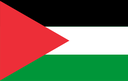
The flag of Palestine features three horizontal stripes of black, white, and green, arranged from top to bottom. On the hoist side is a red triangle pointing toward the center of the flag.
The design follows a simple and balanced layout with strong contrast between colors. The triangular shape adds movement and visual focus, while the horizontal stripes provide structure and clarity.
This design is shared by several Arab flags, reflecting a common historical and cultural origin.
Meaning of the Colors and Symbols
Each color on the Palestinian flag carries deep historical and symbolic meaning connected to Arab history.
The black stripe represents the Abbasid Caliphate and symbolizes strength and resistance.
The white stripe represents the Umayyad Caliphate and symbolizes peace, hope, and a bright future.
The green stripe represents the Fatimid Caliphate and symbolizes fertility, land, and Islamic heritage.
The red triangle represents sacrifice, unity, and the struggle for freedom. It is commonly associated with liberation movements and Arab independence.
Together, these colors are known as the Pan-Arab colors, symbolizing unity, shared history, and collective identity across the Arab world.
Historical Background and Adoption
The Palestinian flag traces its origins to the Arab Revolt flag of 1916, which was used during the uprising against Ottoman rule. This design later influenced many modern Arab national flags.
The Palestinian flag was officially adopted by the Palestine Liberation Organization (PLO) in 1964 and has since been widely recognized as the national symbol of Palestine.
In 1988, the flag gained increased international visibility following the Palestinian declaration of independence. Today, it is recognized by many countries and international organizations. More historical context can be found on the history of Palestine page.
Cultural and National Significance
The Palestinian flag holds profound emotional significance for Palestinians. It represents identity, resilience, and connection to homeland, especially for those living in diaspora.
The flag is displayed during national commemorations, cultural festivals, and international solidarity events. It is also widely used in art, literature, and social movements as a symbol of resistance and hope.
Among Middle Eastern flags, the Palestinian flag is closely related to the Flag of Jordan and the Flag of Kuwait, though each carries distinct national meaning.
Political and International Representation
While Palestine’s political status varies internationally, the flag is used by Palestinian authorities in diplomatic missions, international forums, and regional organizations.
The flag is commonly seen at the United Nations, where Palestine holds non-member observer state status. It represents the Palestinian people rather than a single political institution.
Its visibility has made it one of the most recognizable symbols of modern national movements.
Official Use and Flag Etiquette
The Palestinian flag is flown at government offices in Palestinian-administered areas, cultural institutions, and during official events.
Respectful handling of the flag is strongly encouraged. It should not touch the ground and is treated as a symbol of dignity, sacrifice, and national unity.
During commemorations and demonstrations, the flag often serves as a focal point of expression and remembrance.
The Flag in Modern Palestine
In modern Palestine, the flag remains a central symbol of unity across different regions and communities. It appears in schools, public spaces, and media as a representation of shared identity.
Despite political divisions and external challenges, the flag continues to unify Palestinians through shared history and cultural memory.
It is also embraced by younger generations as a symbol of hope and continuity.
Design Strength and Global Recognition
The Palestinian flag is widely recognized due to its bold colors and clear symbolism. Its Pan-Arab design connects it to regional history while maintaining a distinct national identity.
The simplicity of the design allows it to be easily reproduced and recognized globally.
Its emotional and cultural impact extends far beyond geography, making it one of the most powerful symbolic flags in the modern world.
Questions About the Flag of Palestine
When was the flag of Palestine adopted?
It was officially adopted in 1964 by the Palestine Liberation Organization.
What do the colors of the Palestinian flag represent?
They represent Arab history, unity, and sacrifice.
Why is there a red triangle on the flag?
It symbolizes struggle, unity, and liberation.
Is the Palestinian flag recognized internationally?
Yes, it is recognized by many countries and international organizations.
Is the flag the same on both sides?
Yes, the design appears on both sides of the flag.